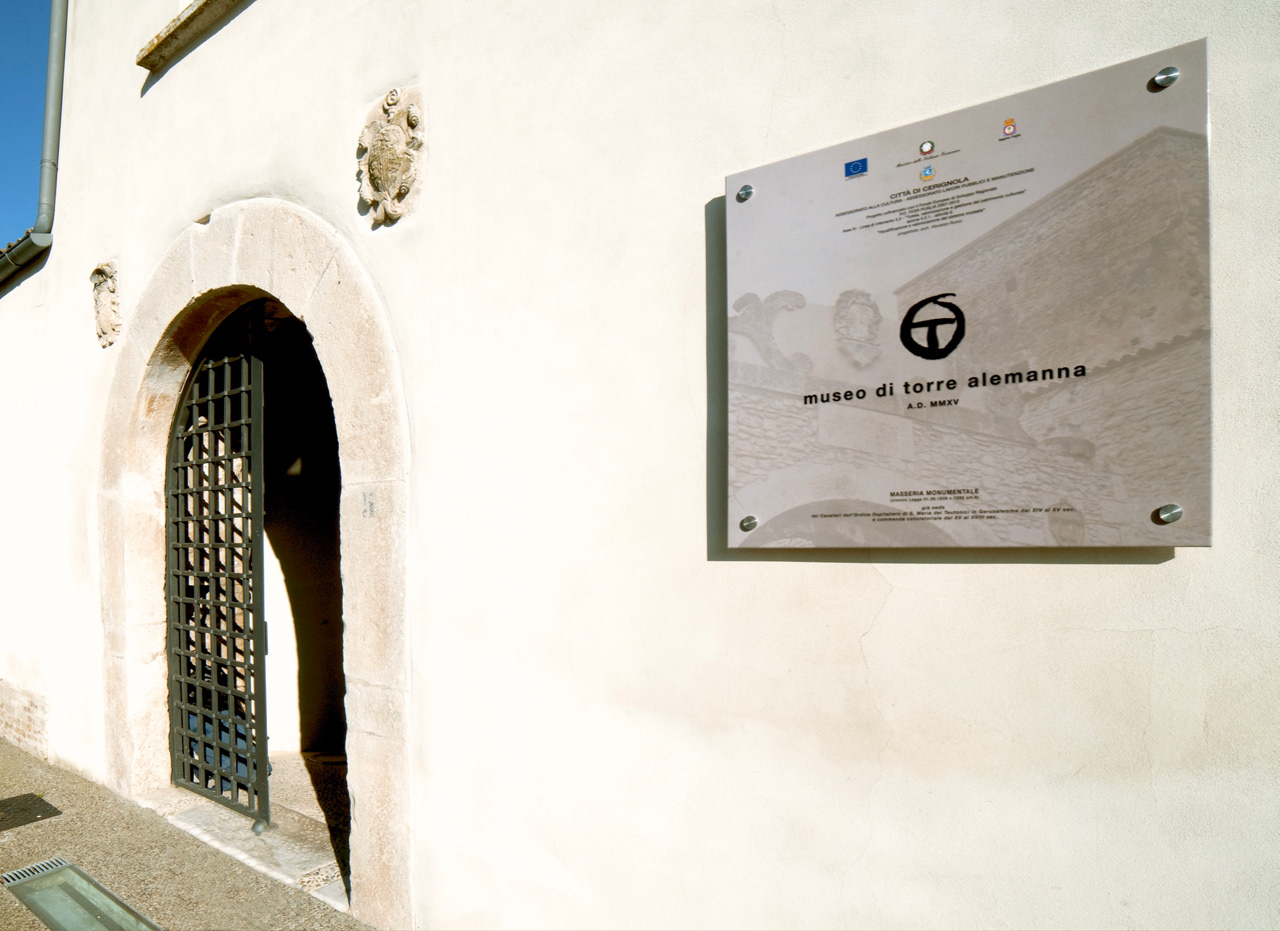
TORRE ALEMANNA Museum
Setting up and opening of the historical-archaeological and ceramics museum - Cerignola (FG) - Italy
2012-2016
Following the completion of the restoration work on the monumental complex, a project for the layout and opening of the Historical-Archaeological and Ceramics Museum was drafted in March 2012. It was submitted to the call for tenders for the “Qualification and Enhancement of the Museum System” issued by the Puglia Region. Ranking first out of 144 museum projects, the proposal was approved for funding in March 2013.
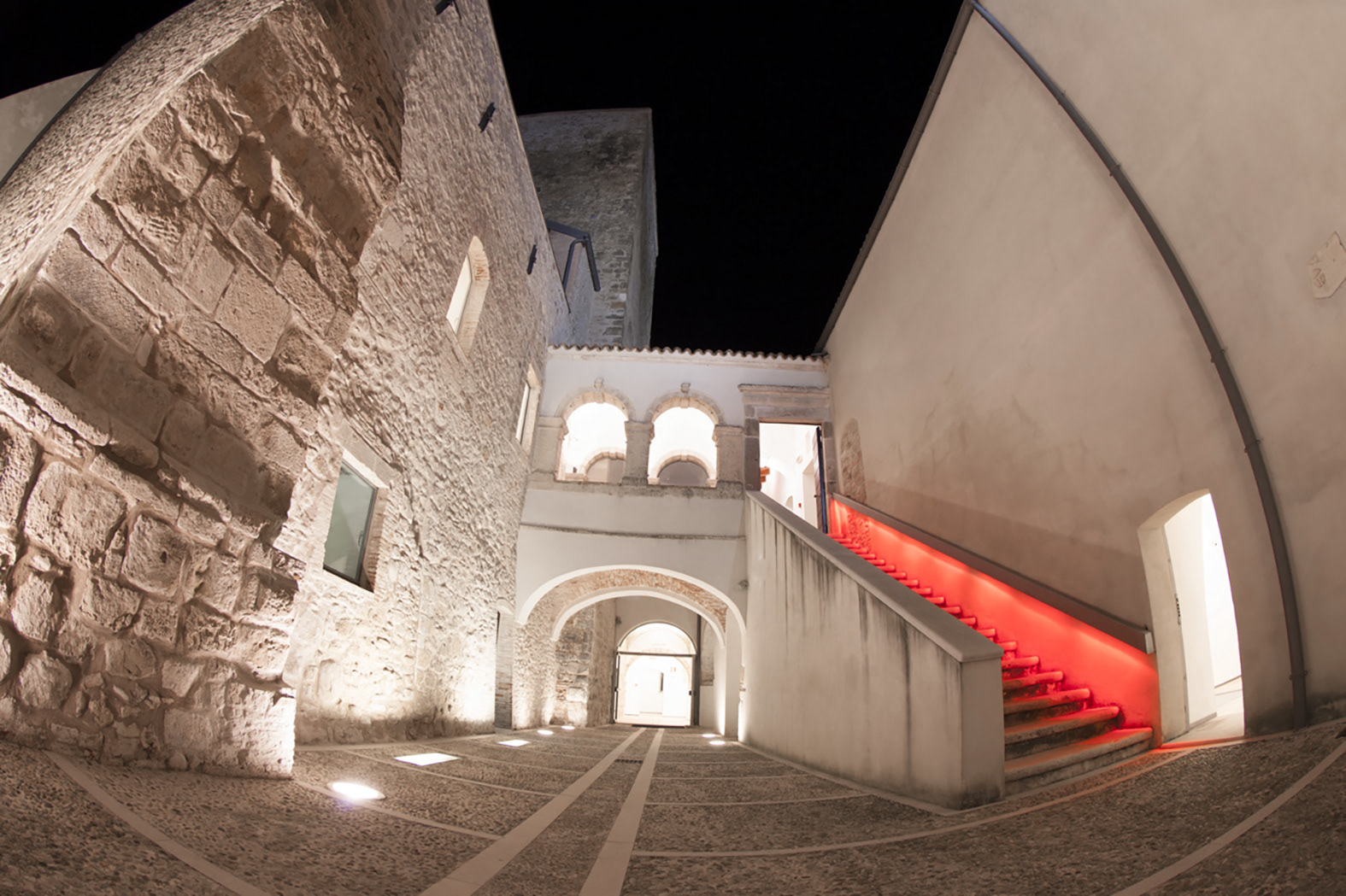
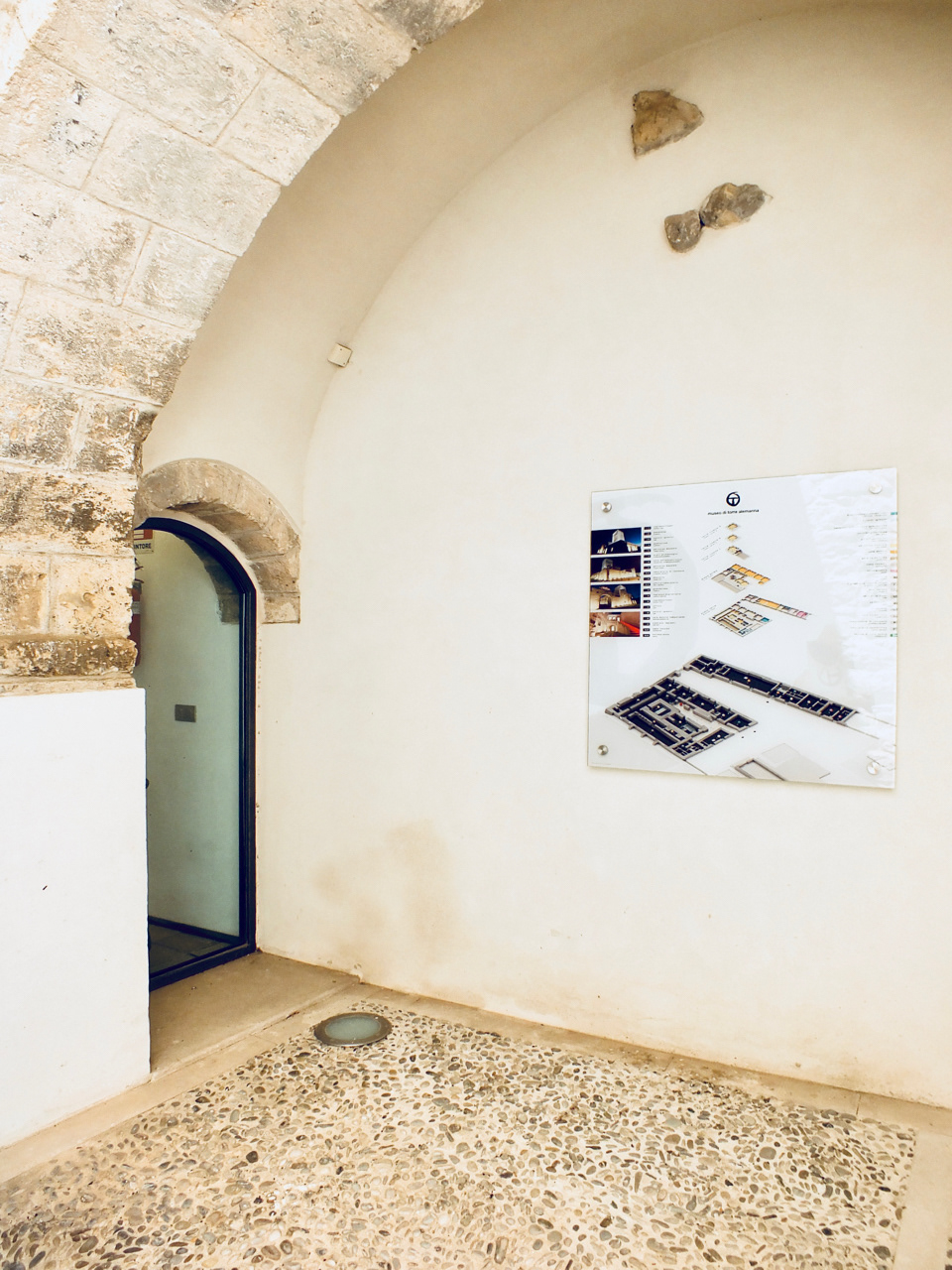
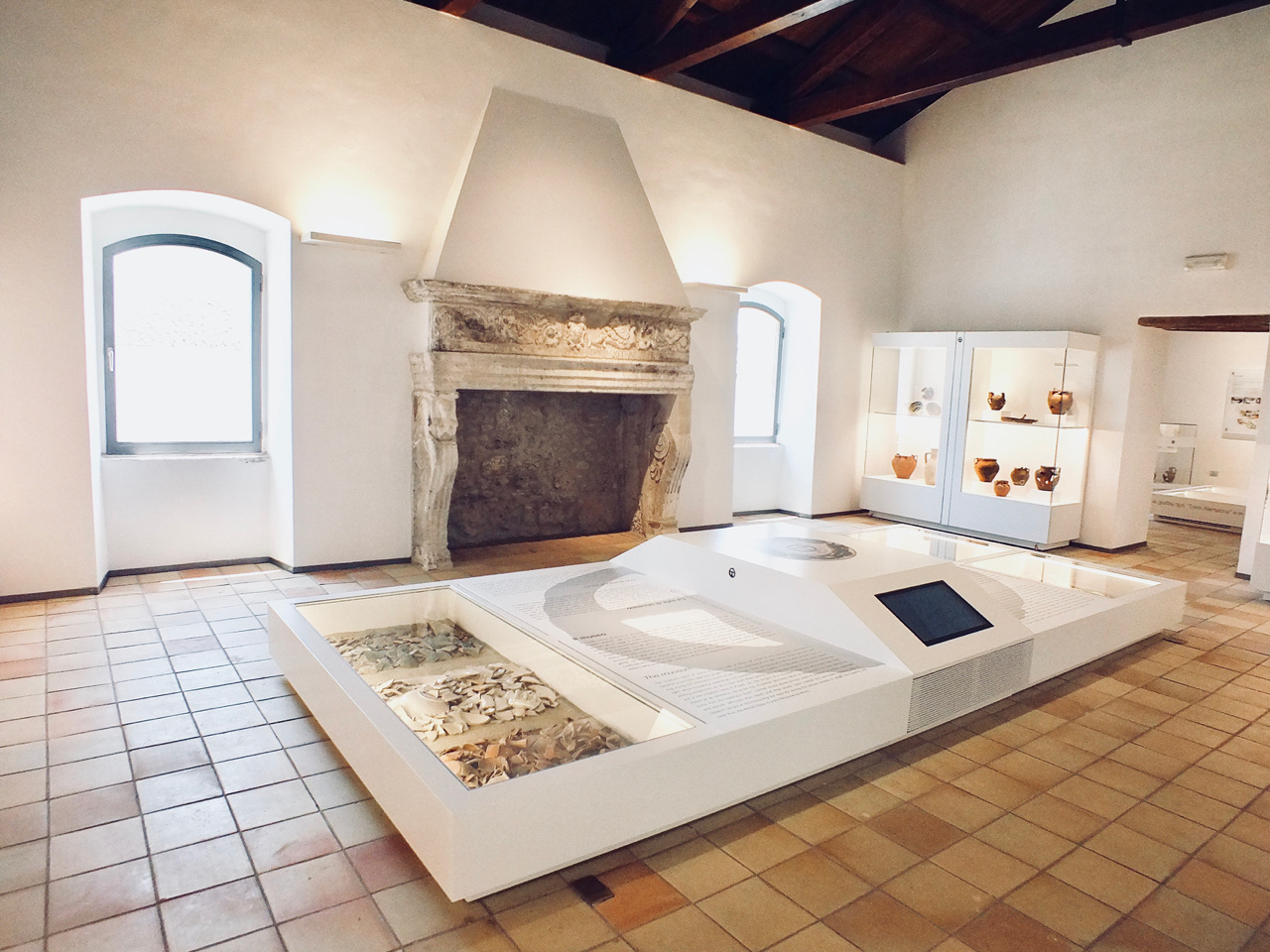
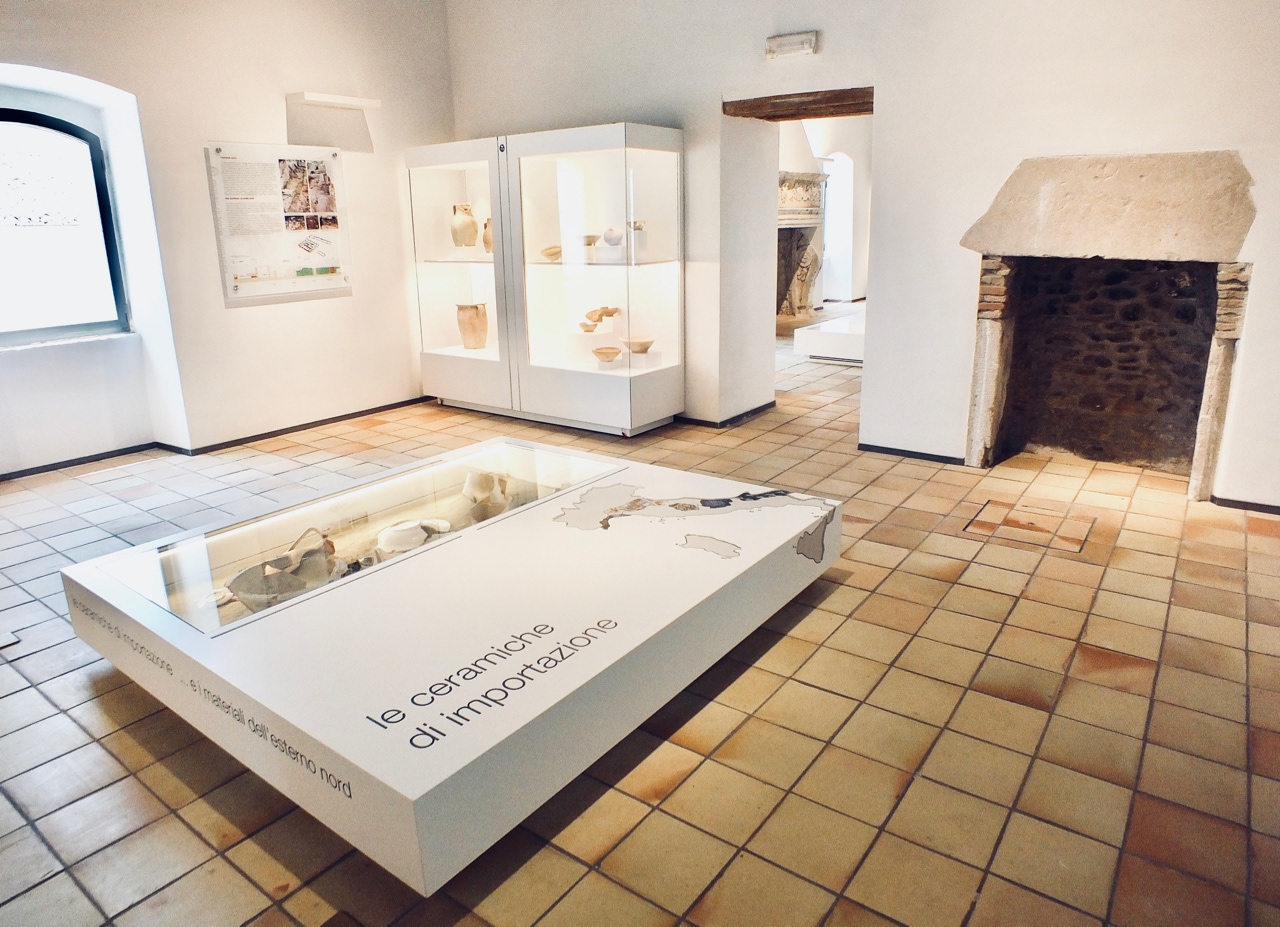
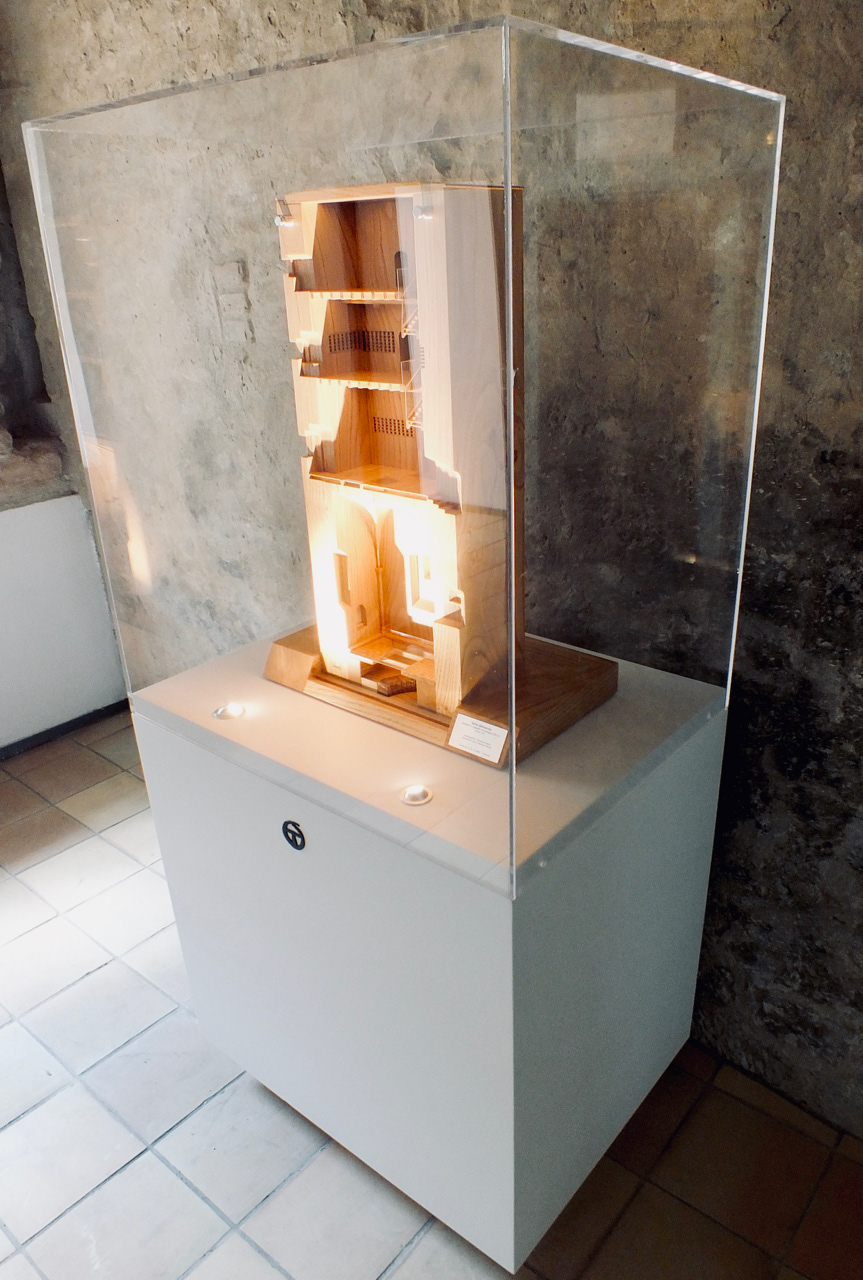
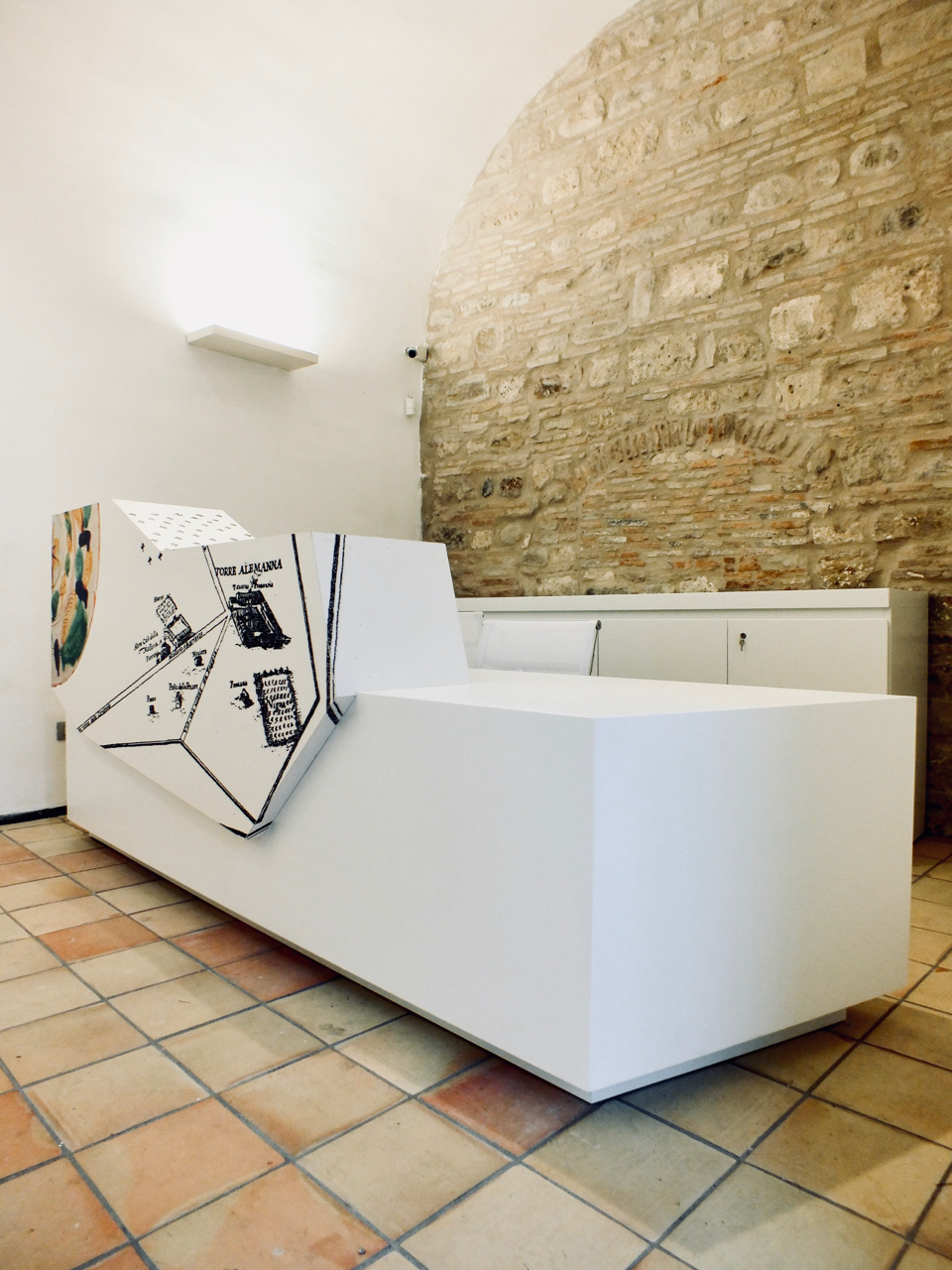
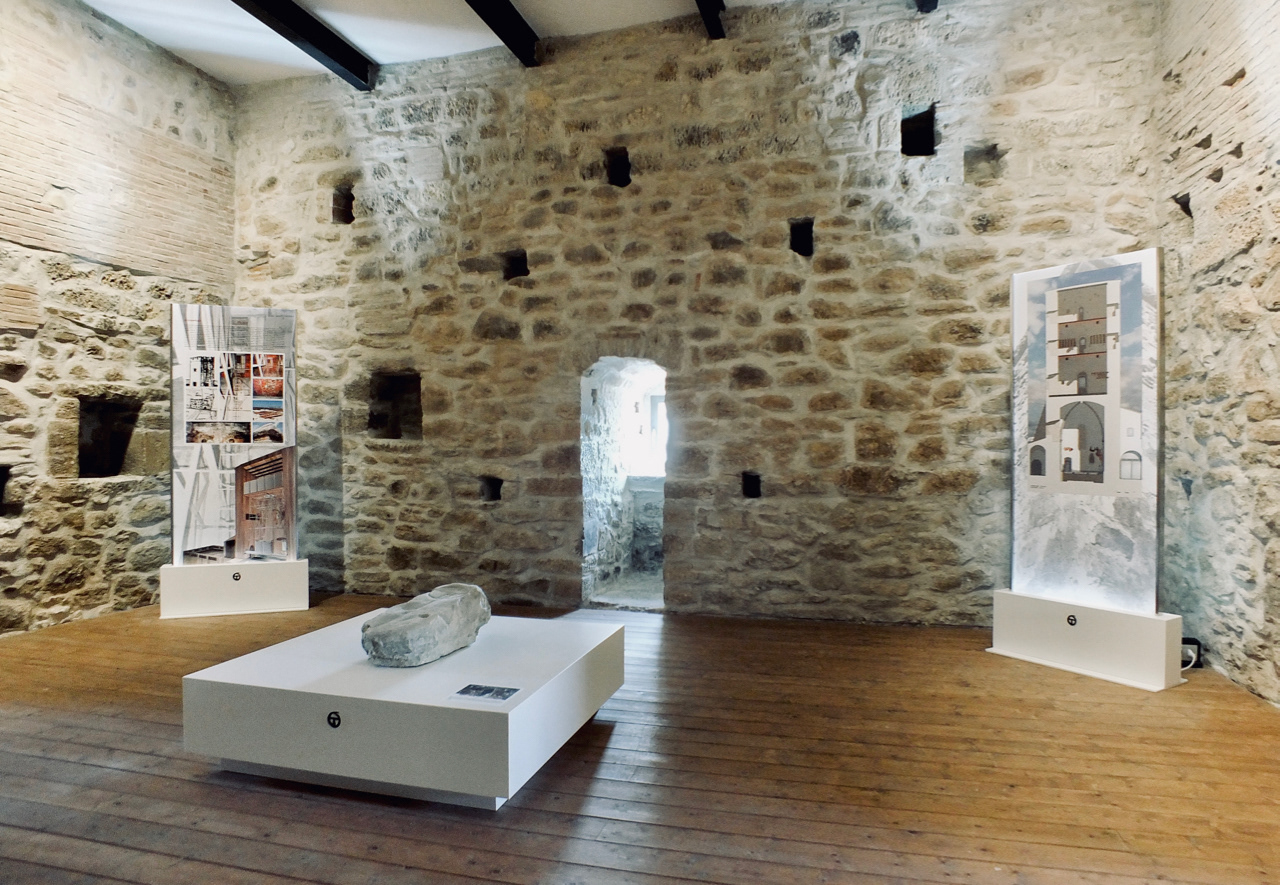
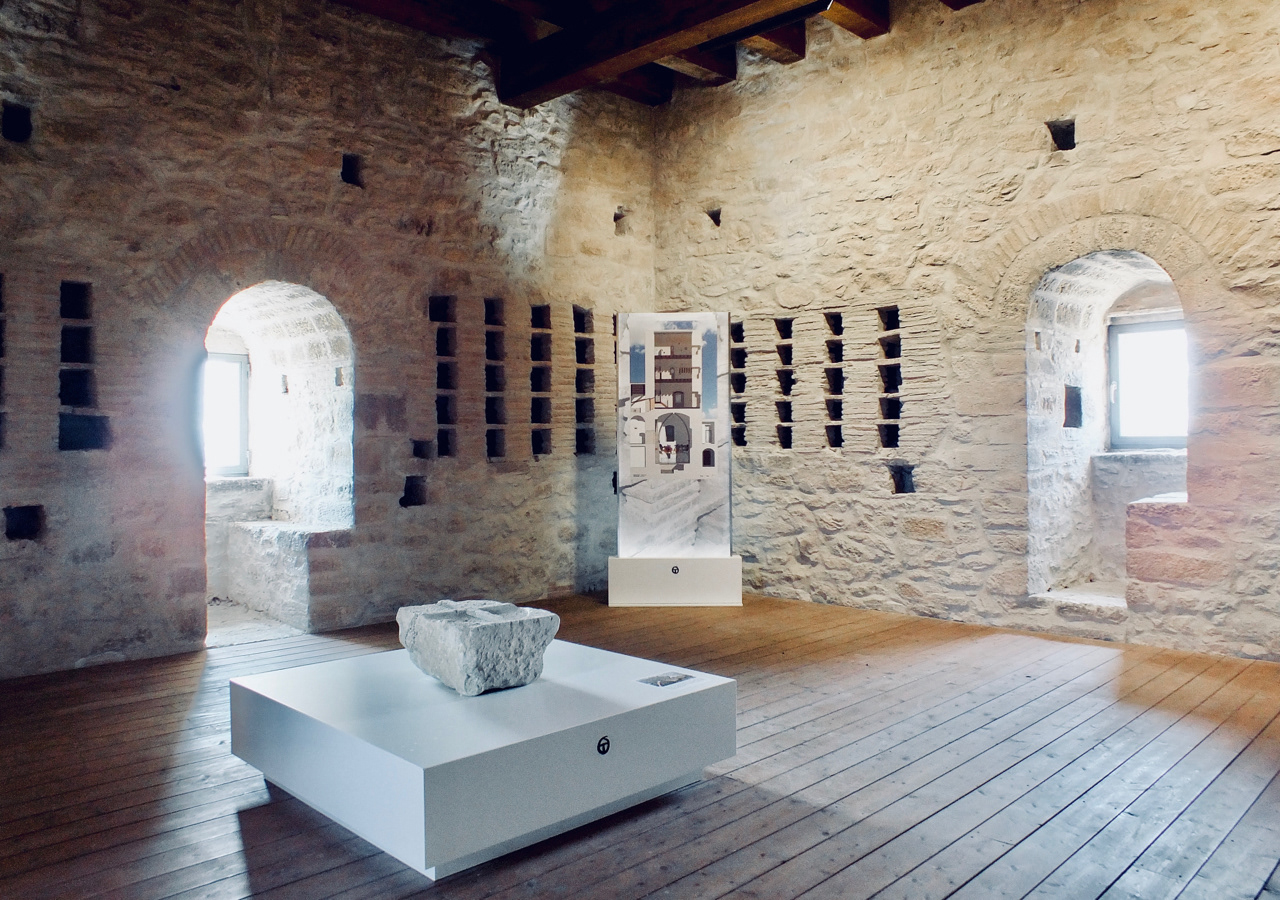
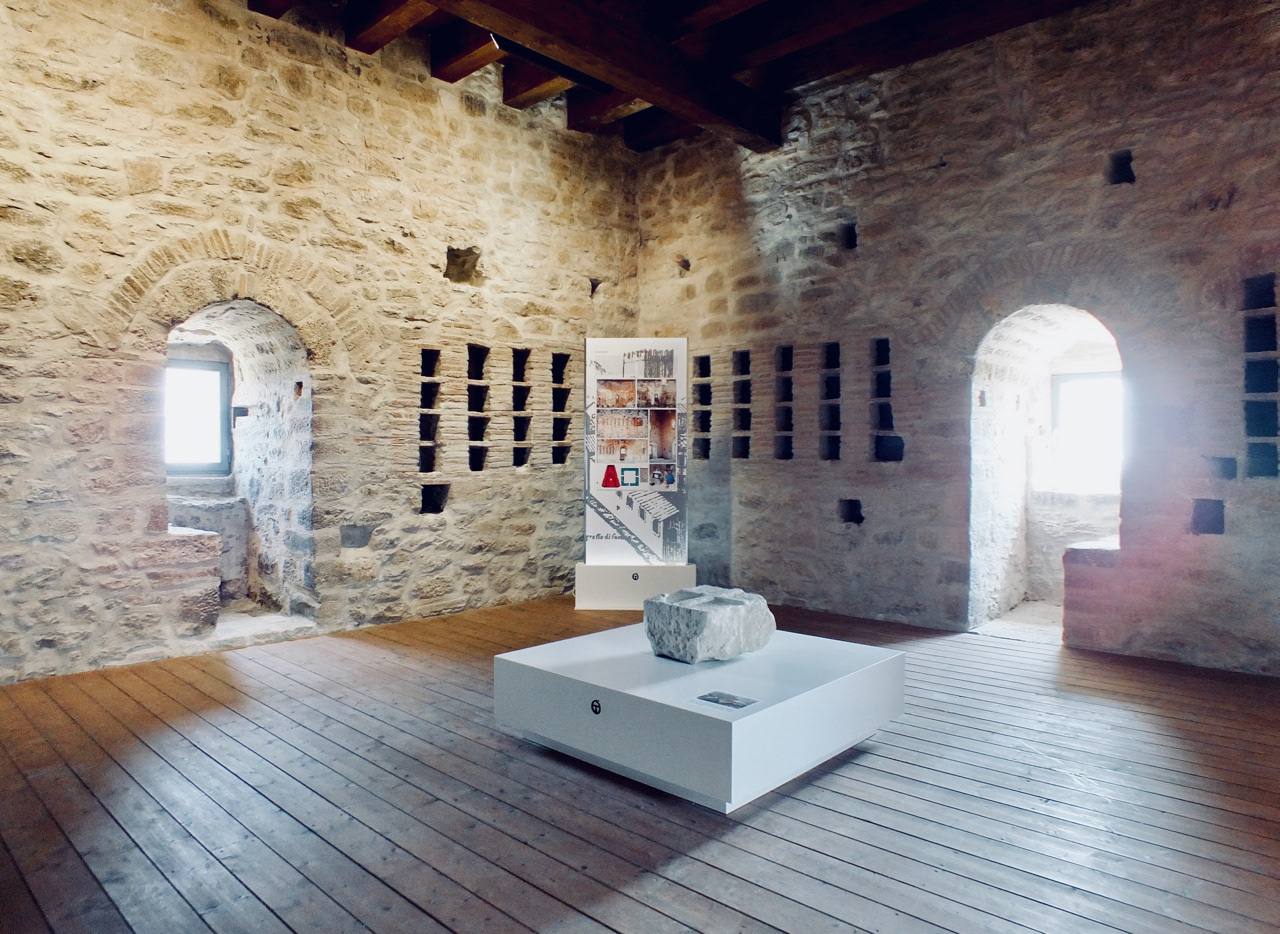
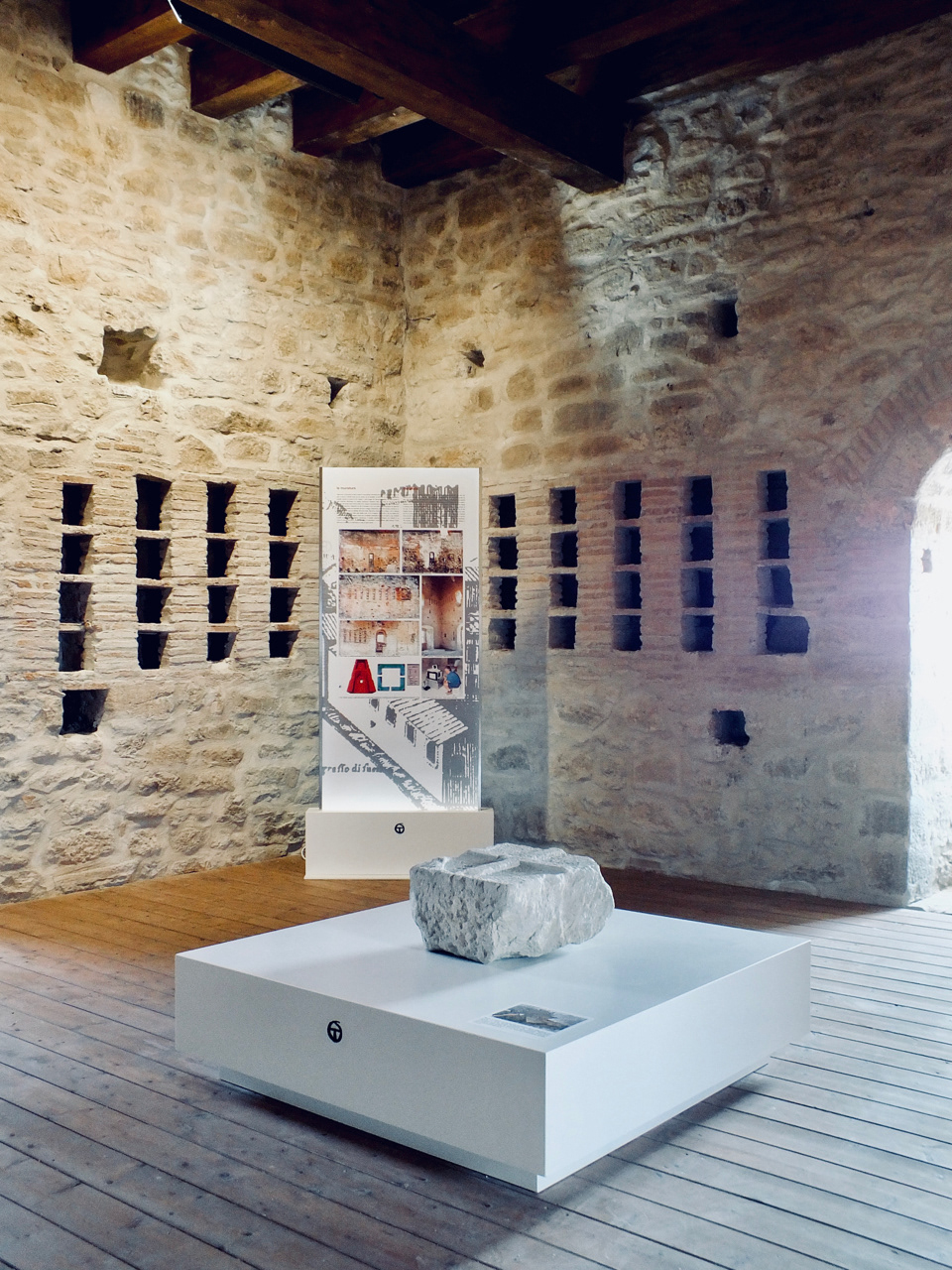
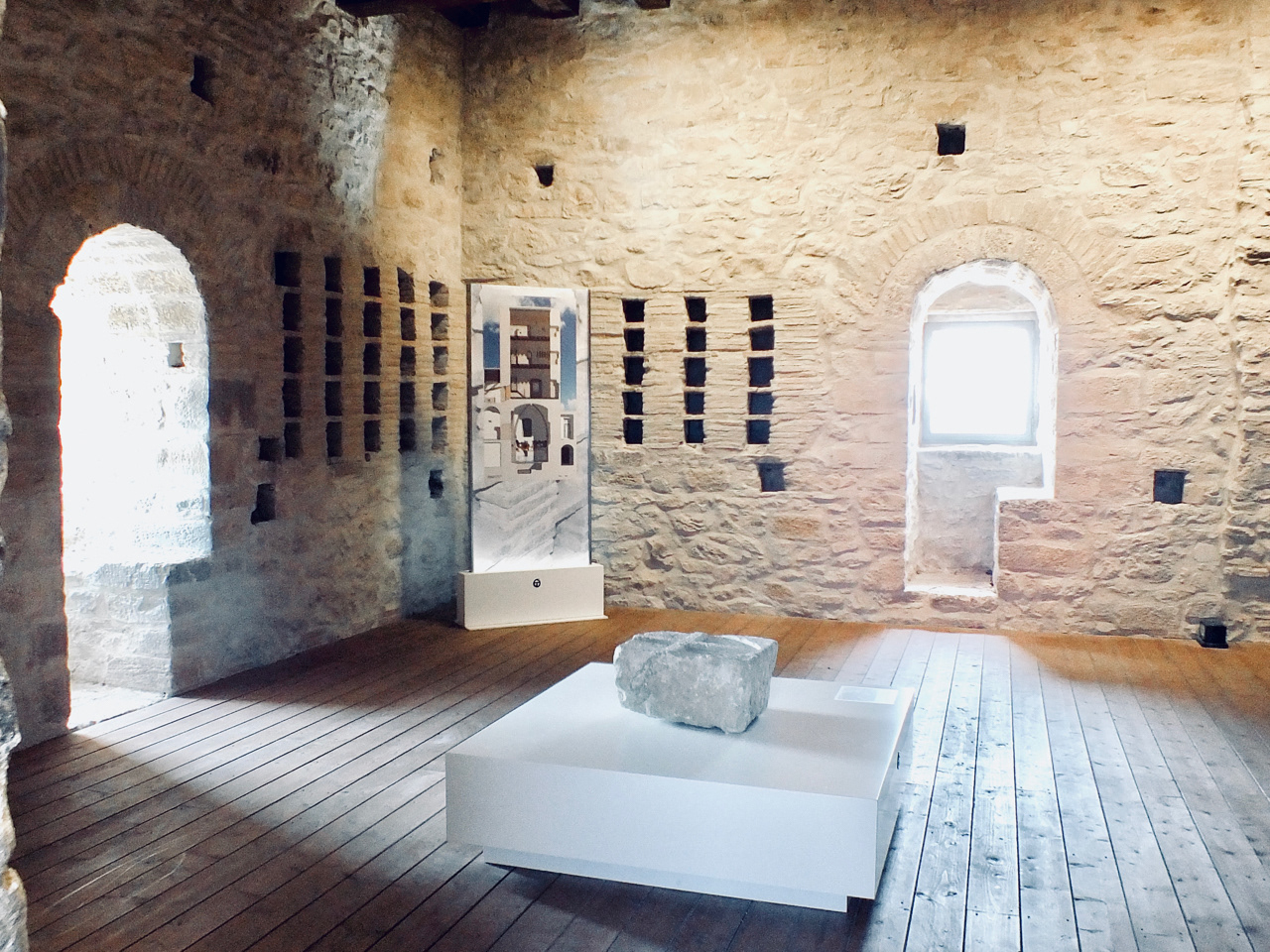
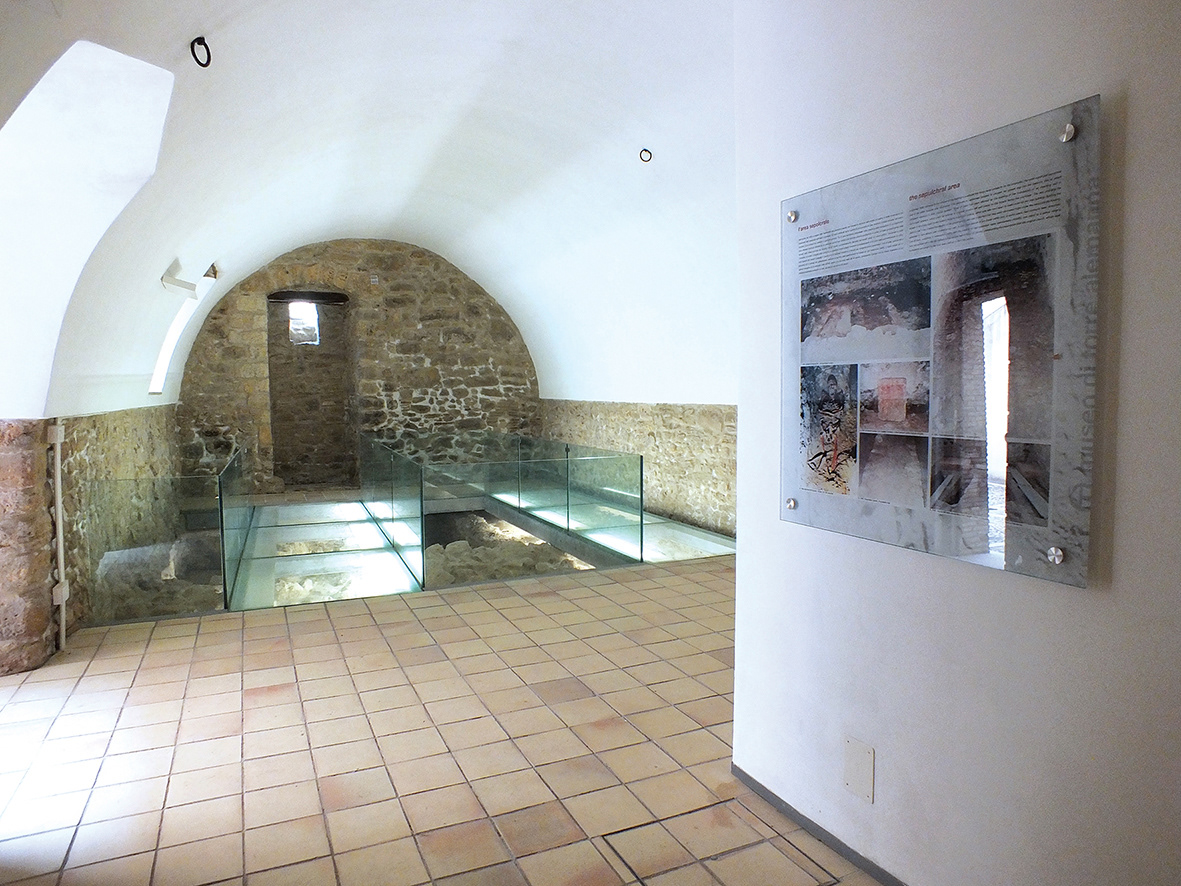
The Museum of Torre Alemanna was conceived with an organic vision of the three architectural components of the ancient fortified farmhouse (masseria) complex. Naturally, each component—with its own distinct features (dimensional and architectural characteristics, historical-artistic highlights, functional purposes, safety requirements, etc.)—suggested an appropriate distribution of museum-related activities. These can be summarized into three levels: exhibition/visitor experience, technical/executive, and services.
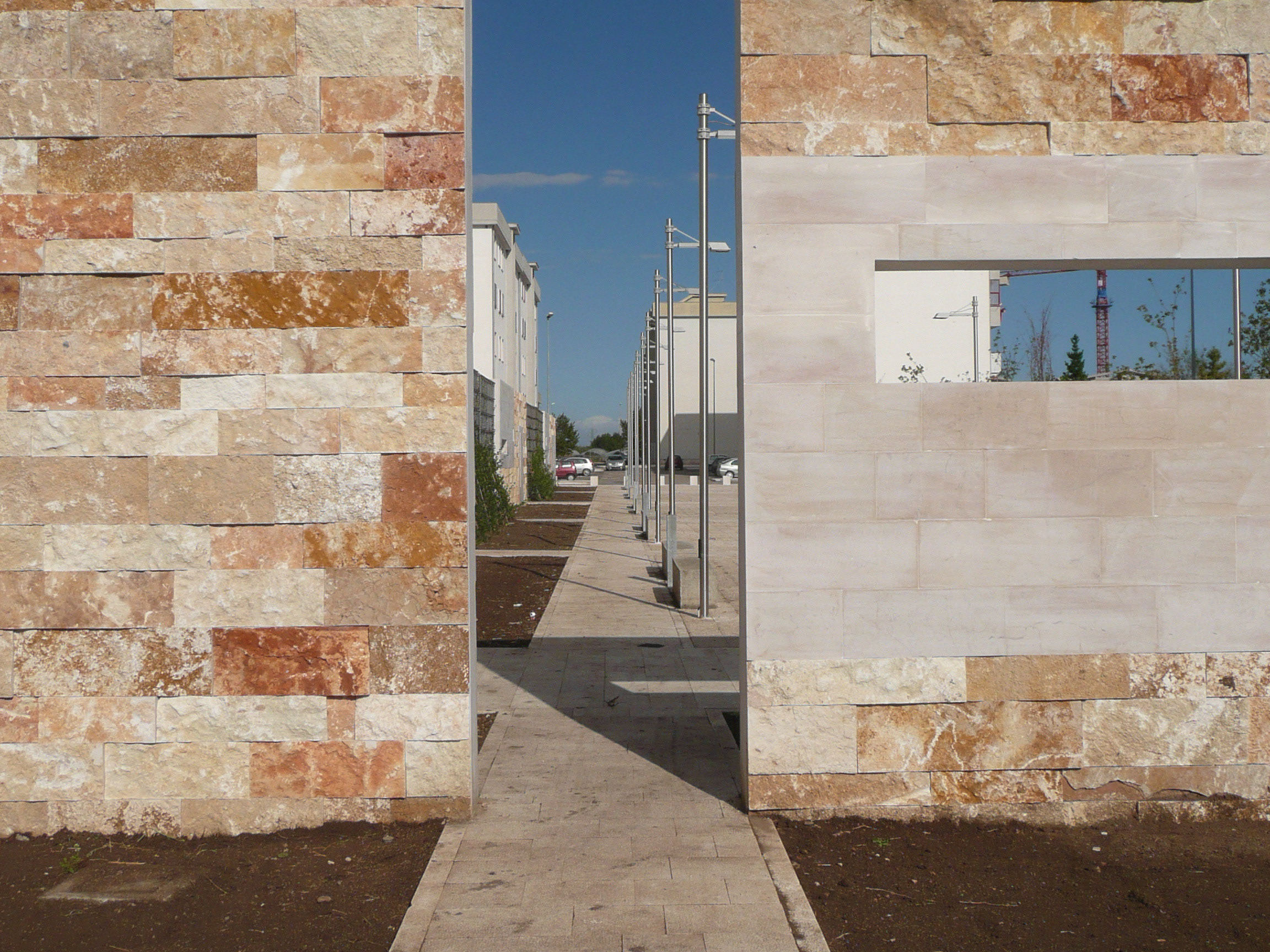
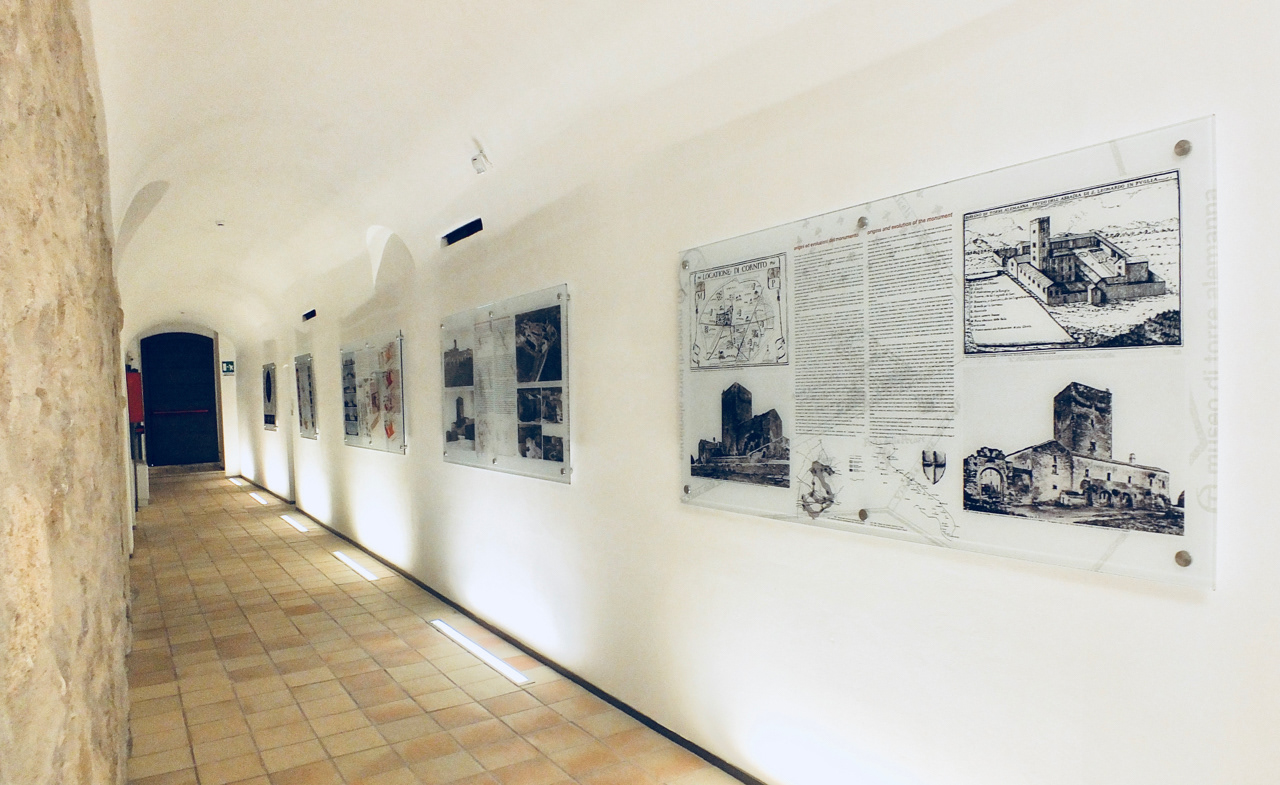
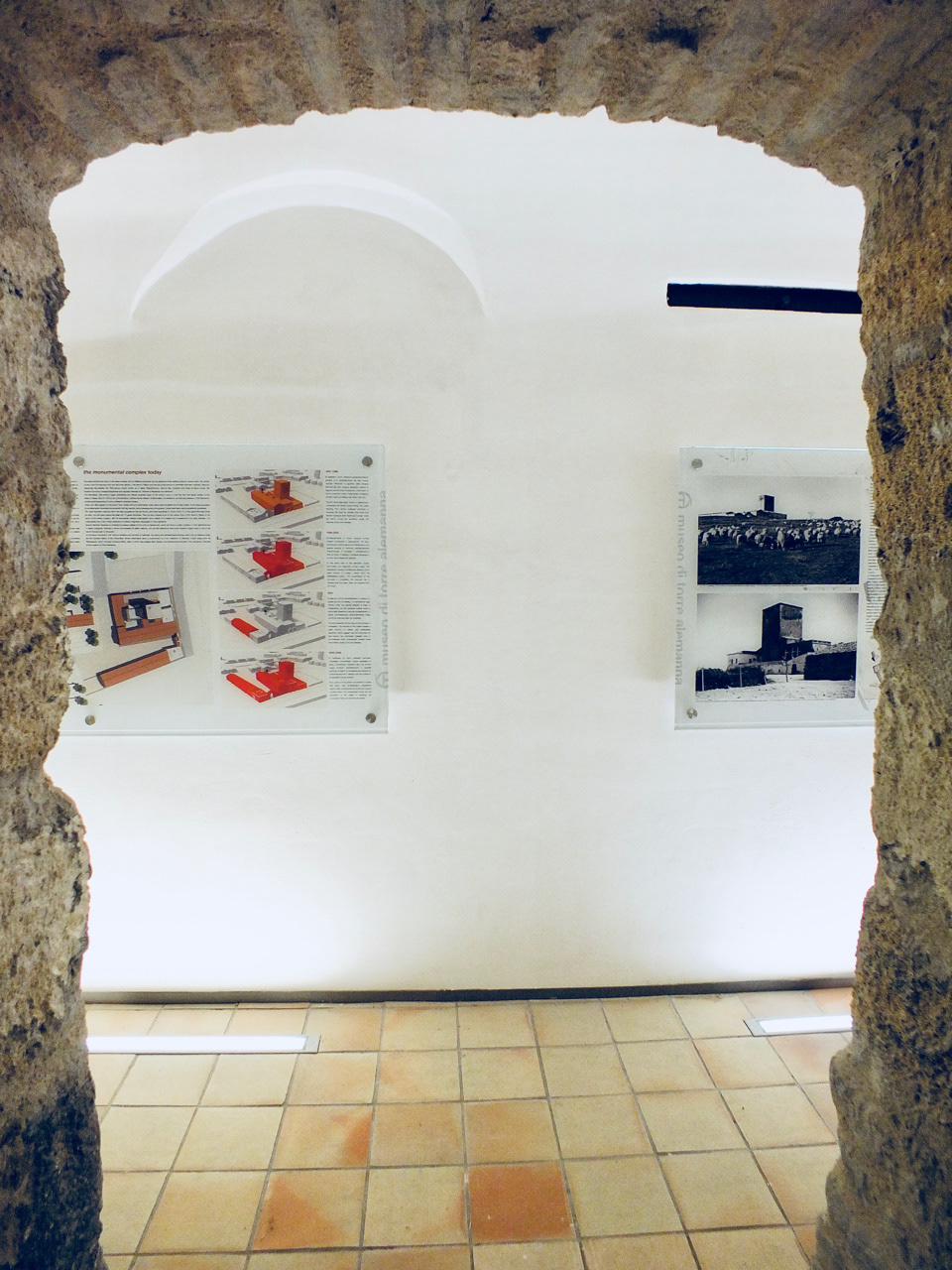
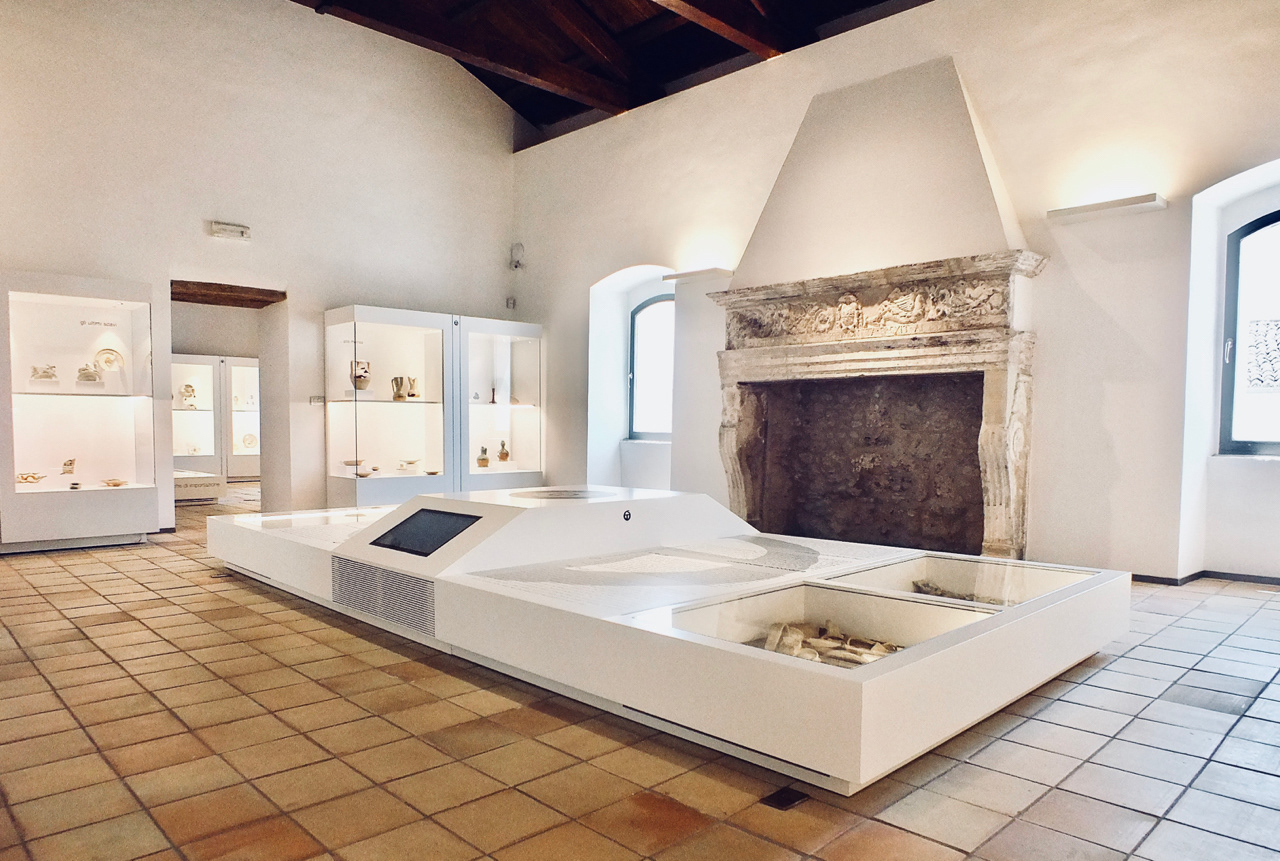
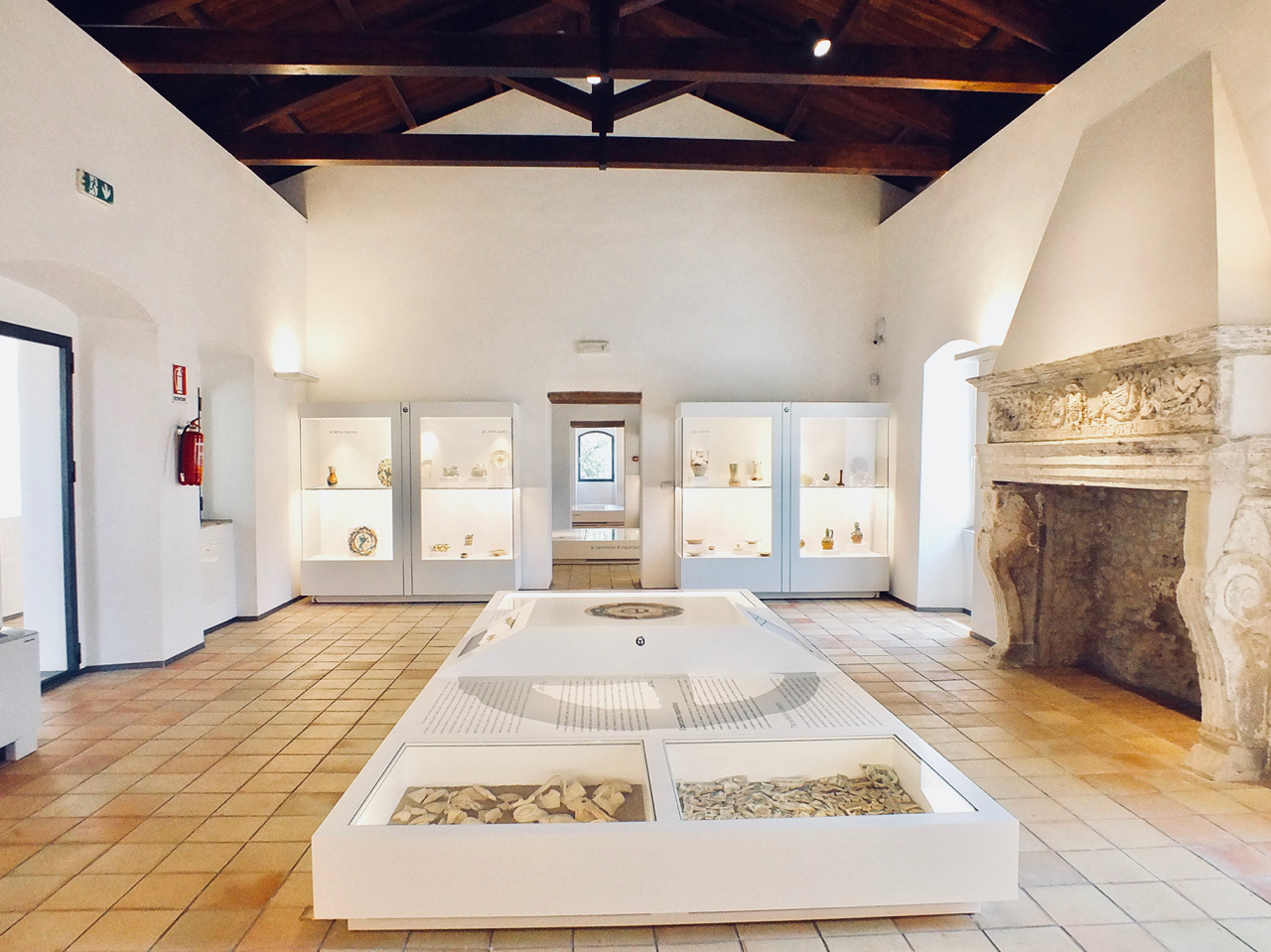
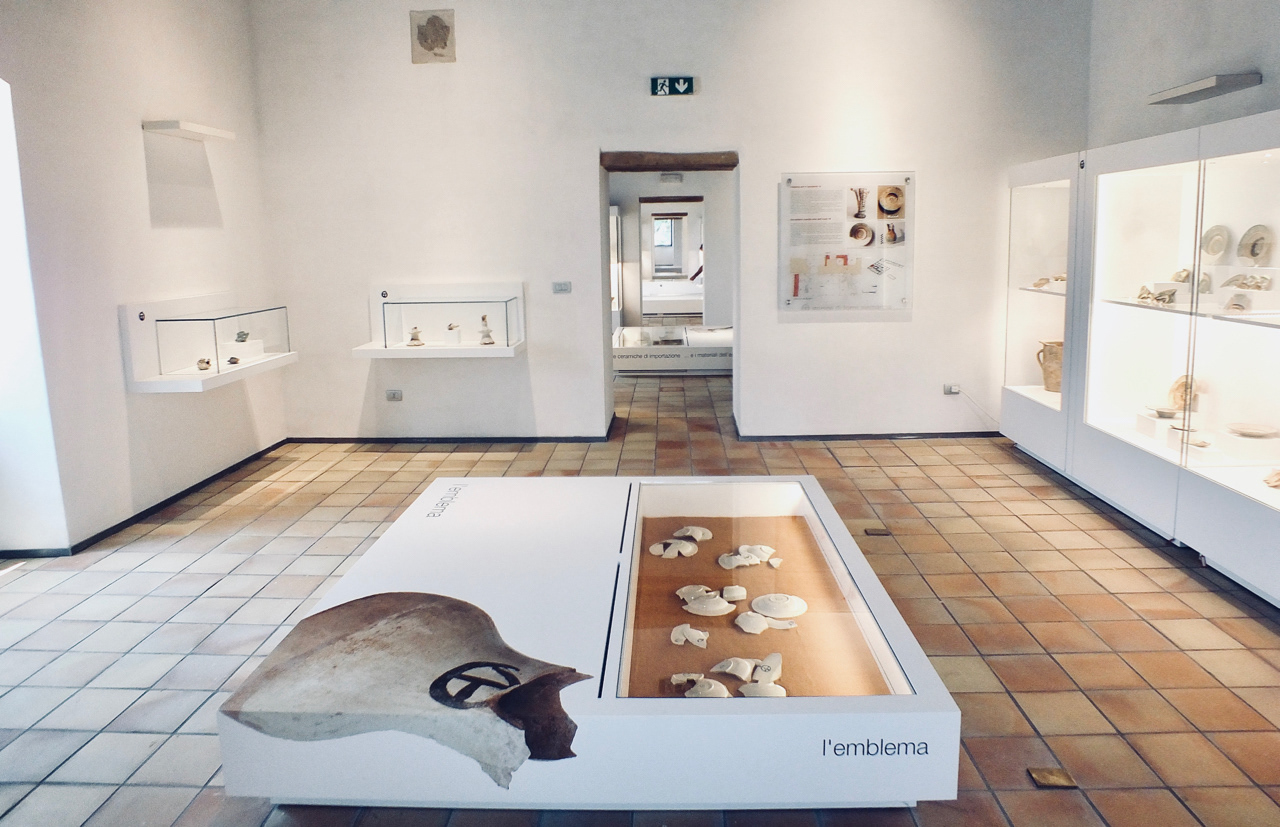
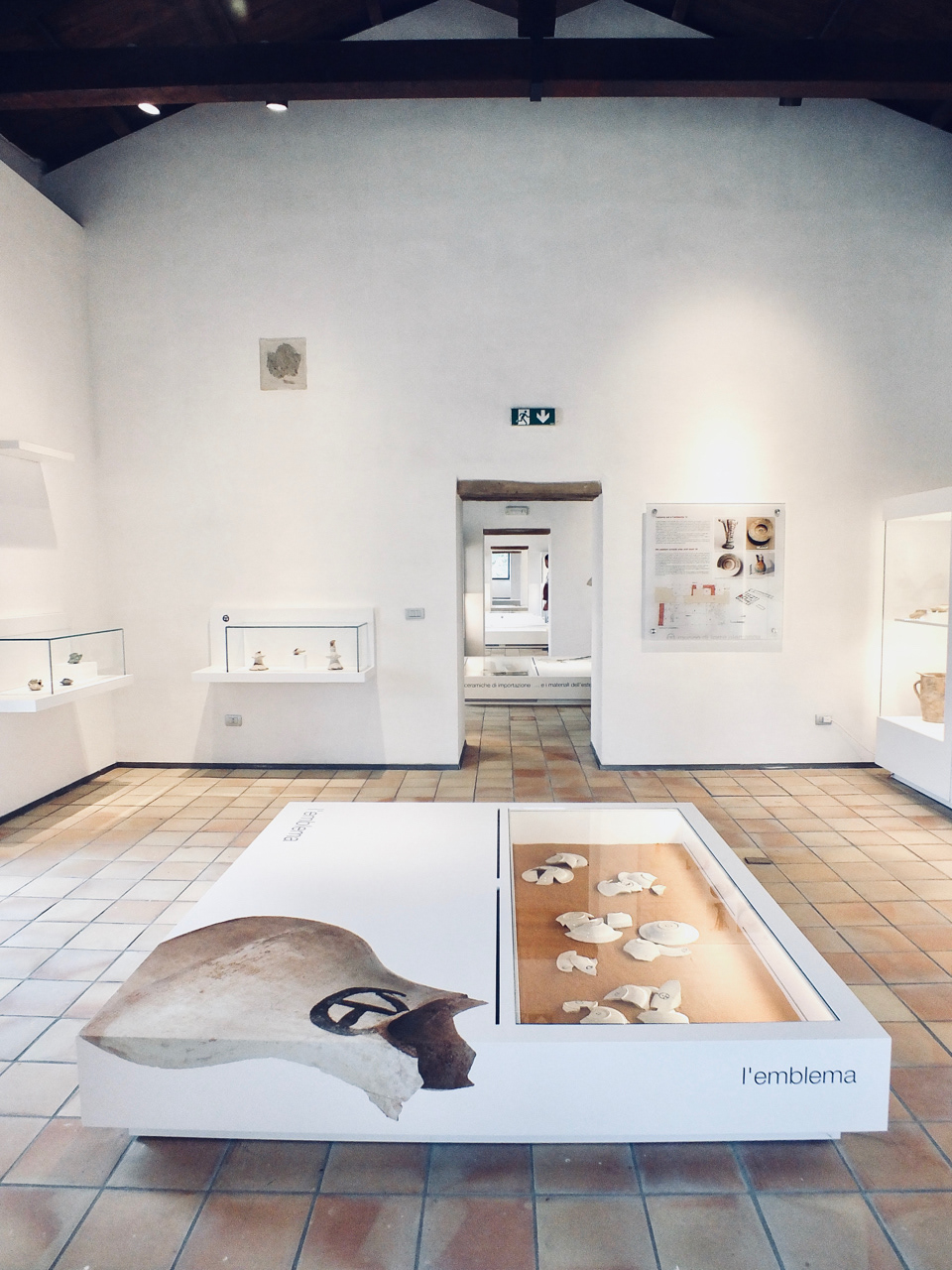
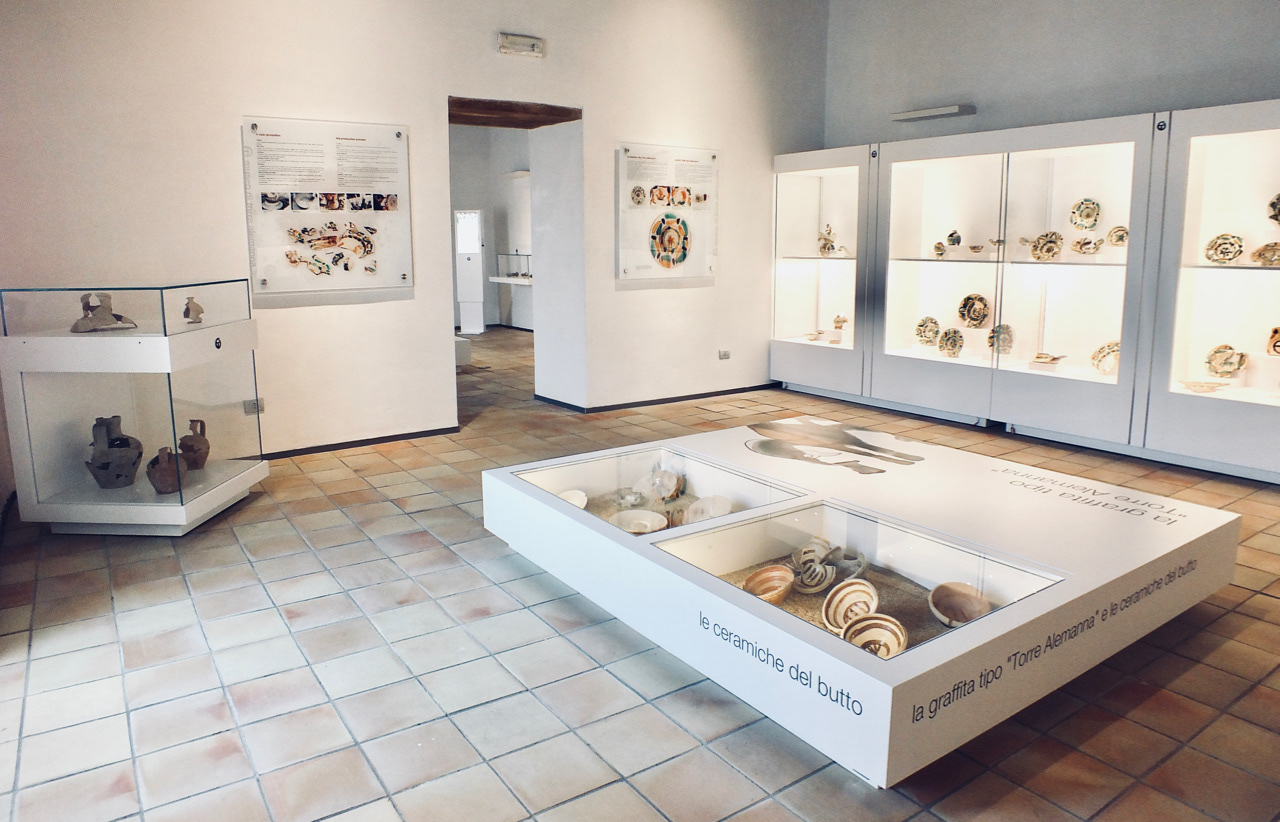
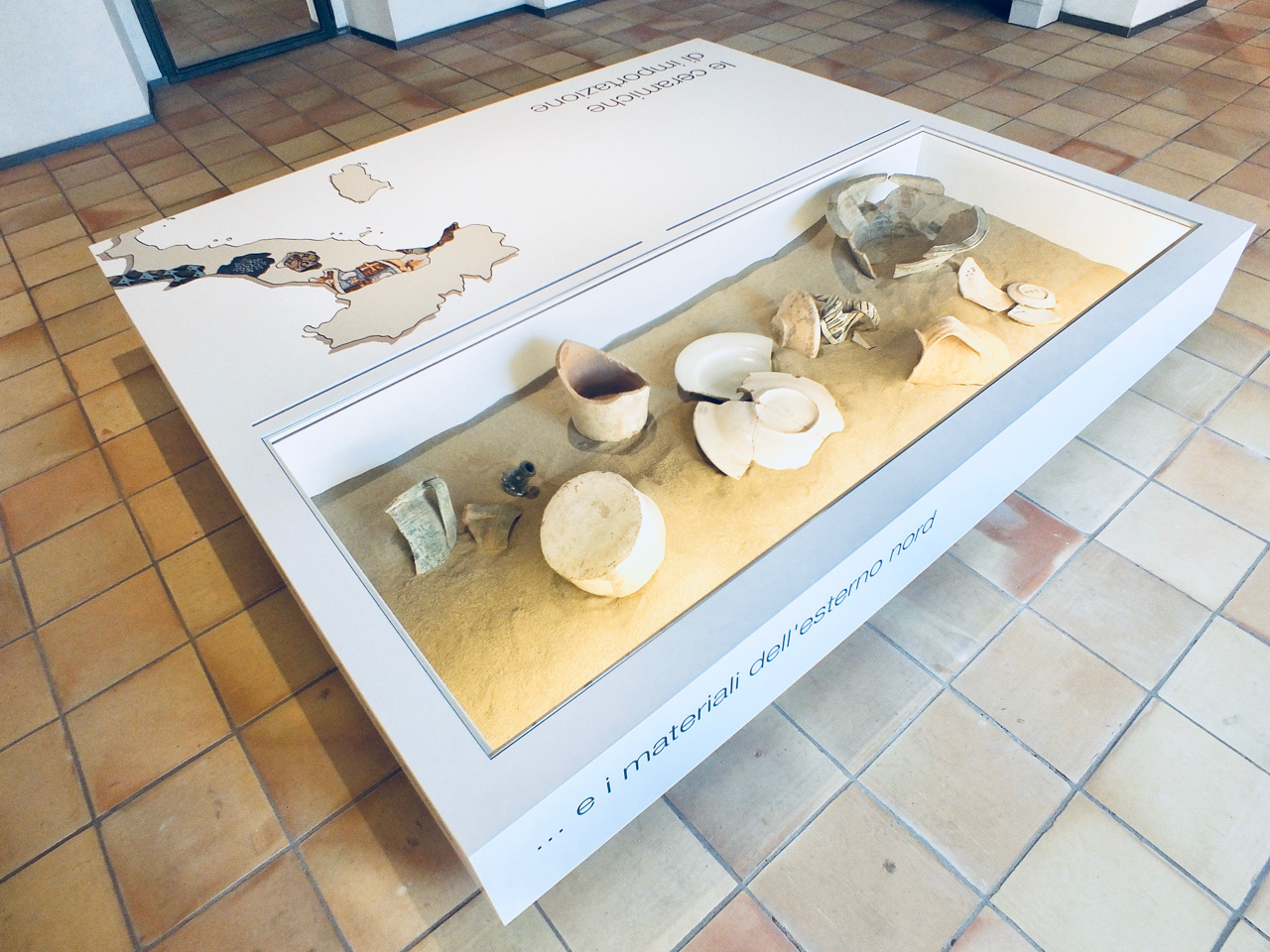
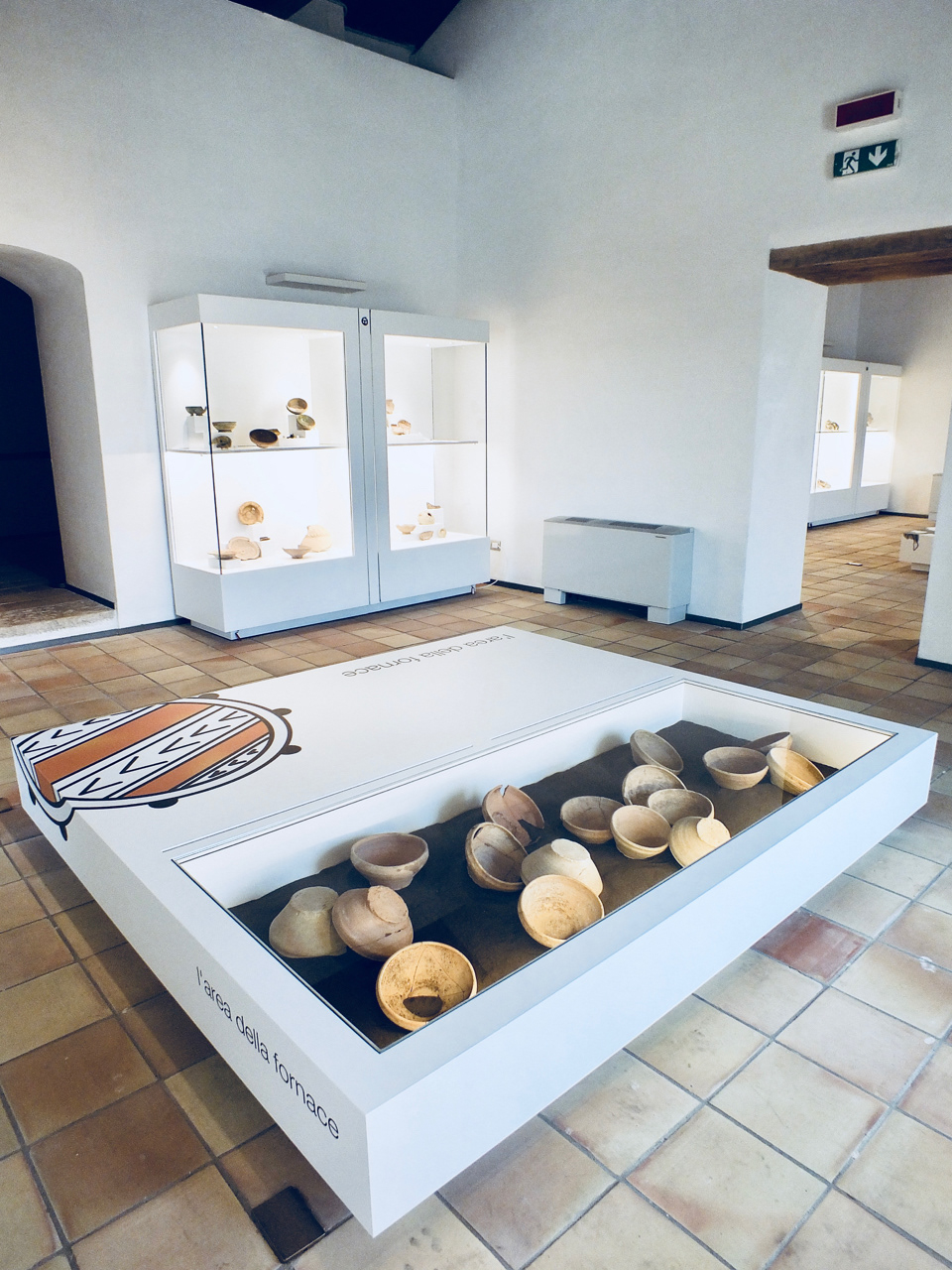
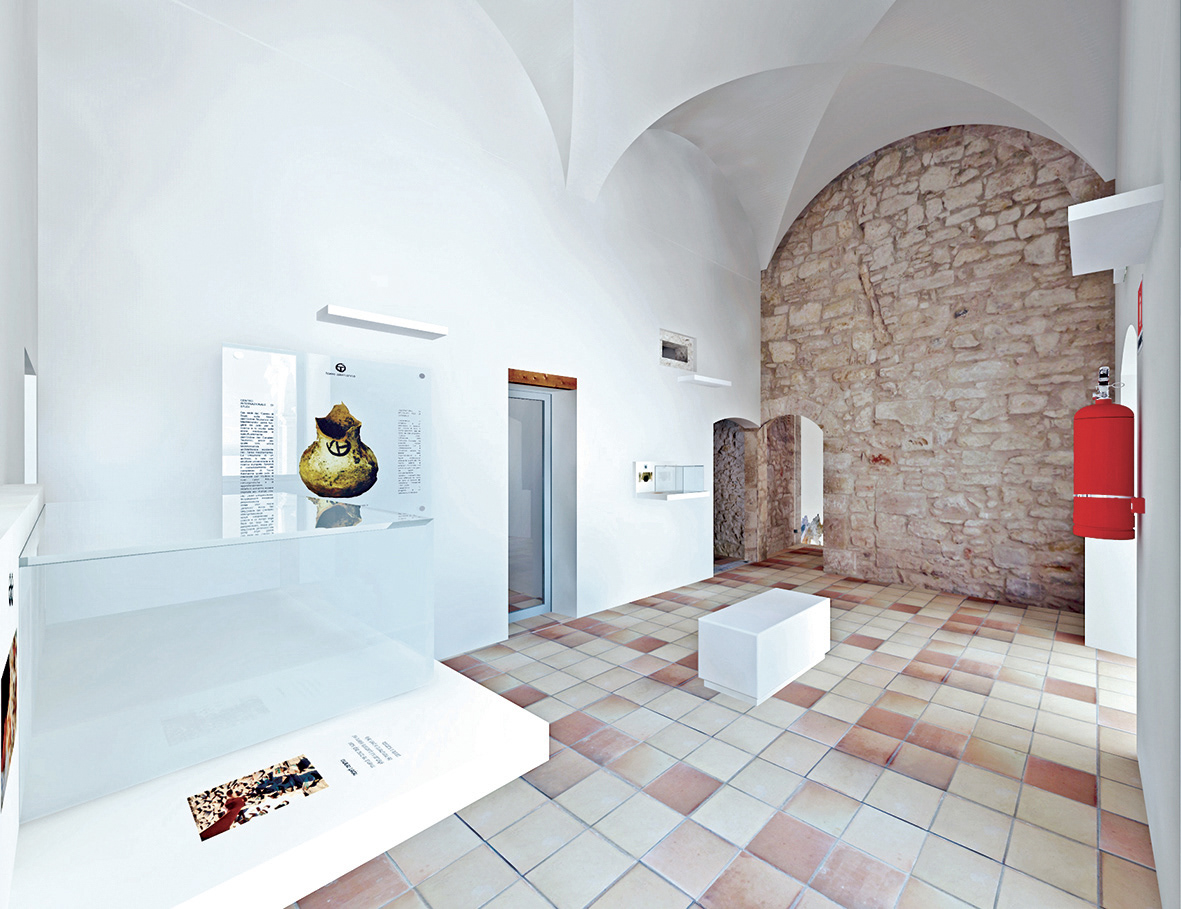
The approach to establishing the Museum was designed to offer a dual opportunity: the display of the numerous ceramic artifacts discovered on-site, and the public enjoyment of the entire late-medieval architectural complex, which stands as the only ancient Teutonic seat still intact in the Mediterranean area.
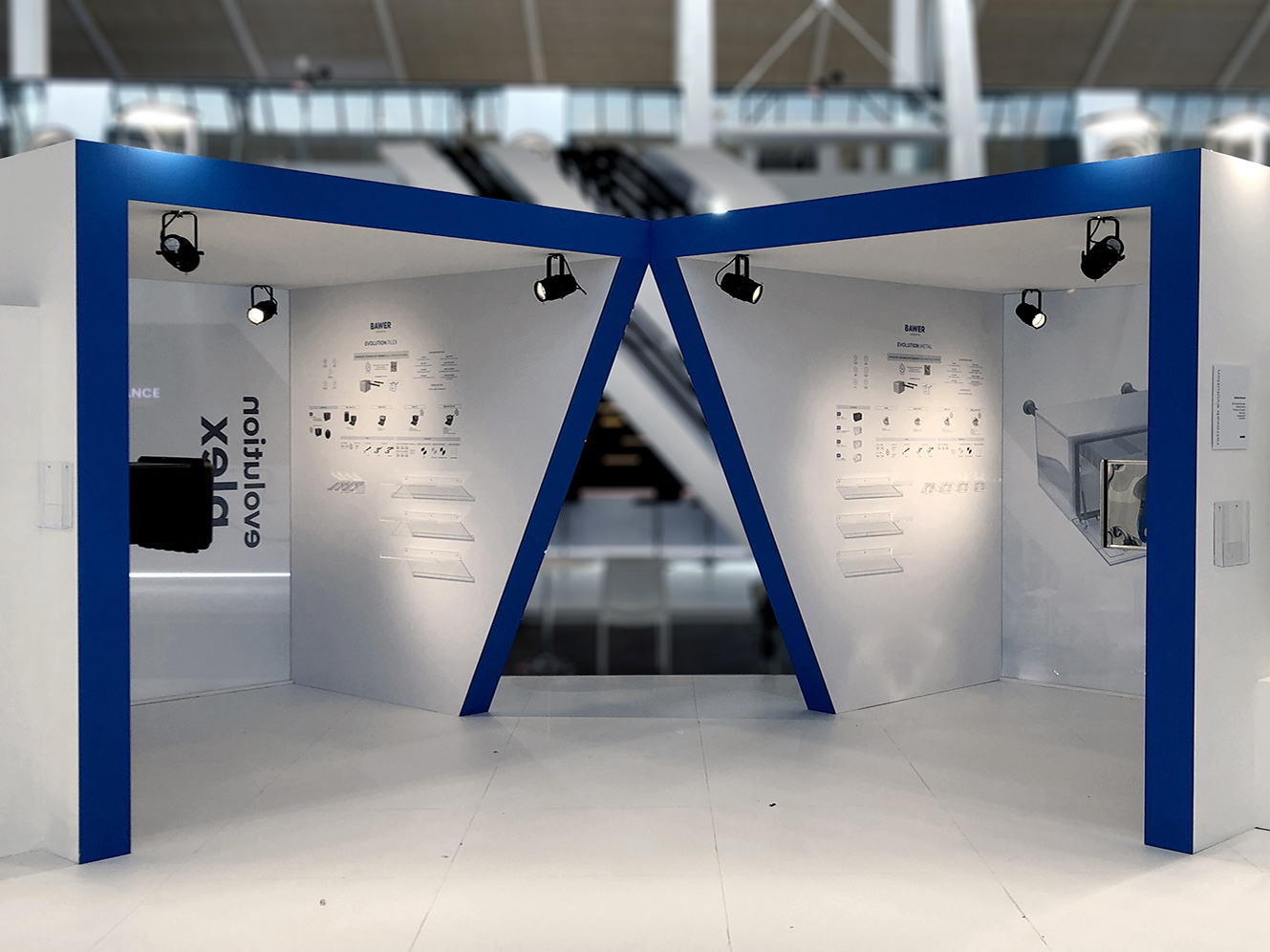
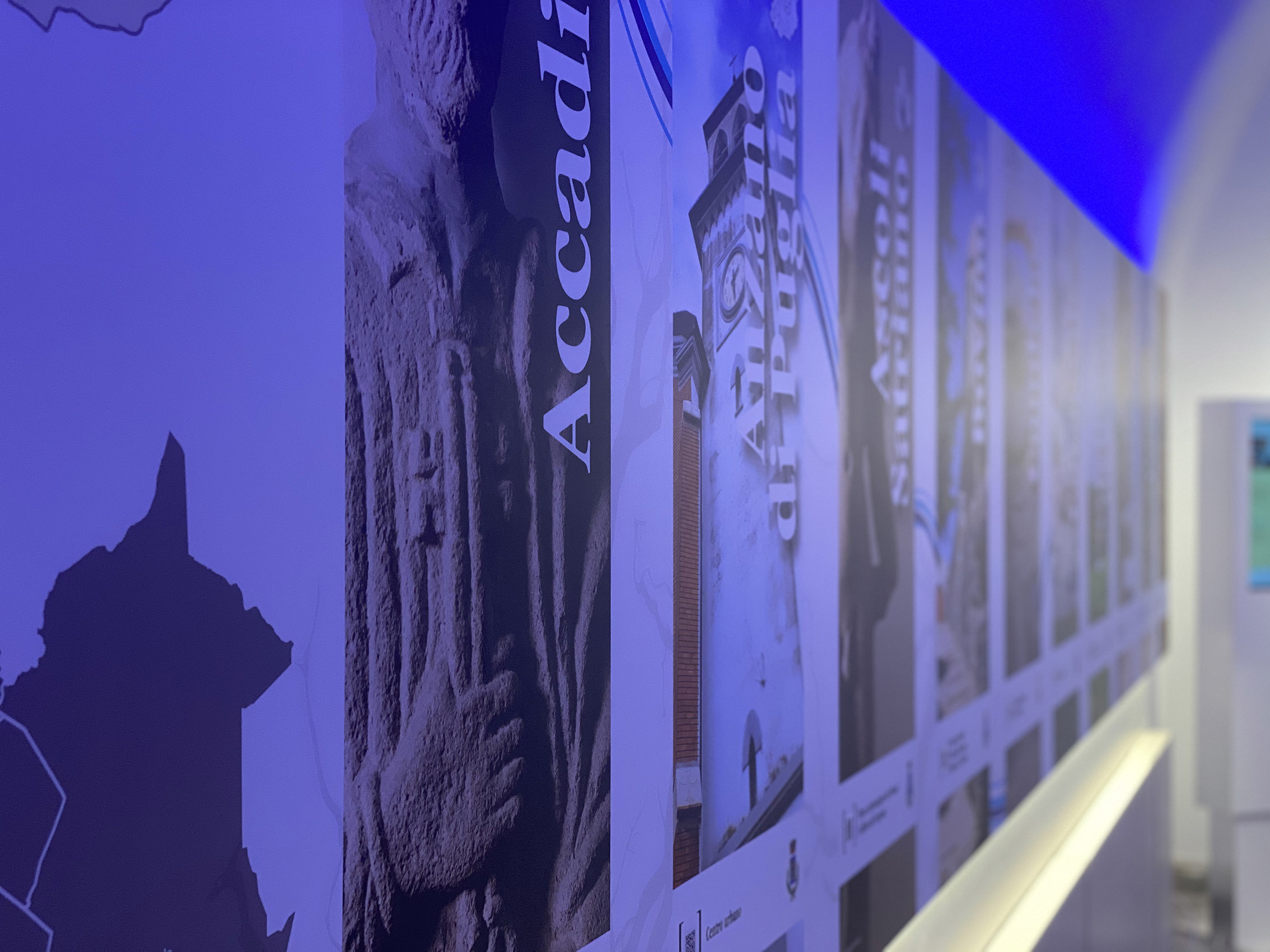
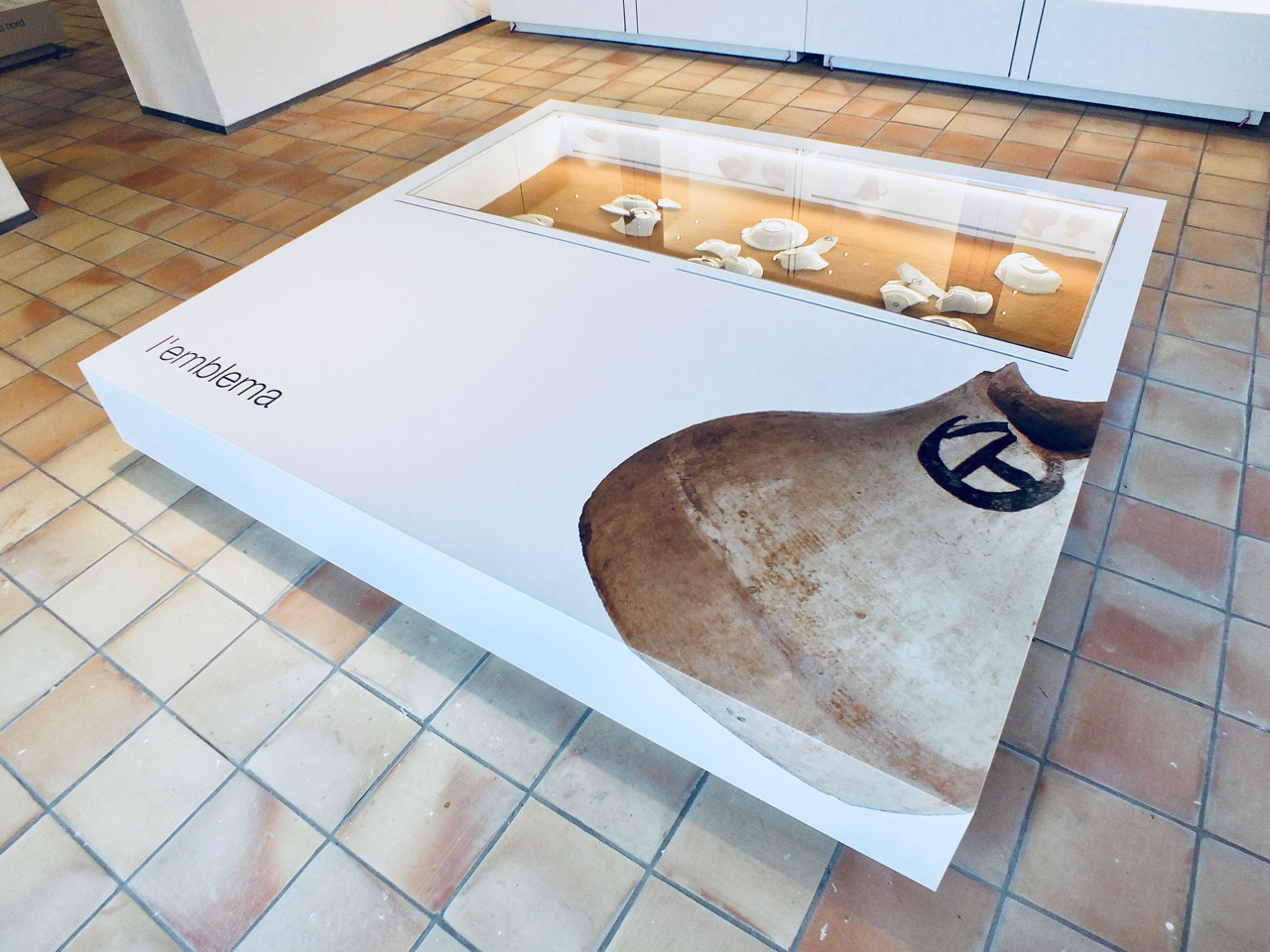
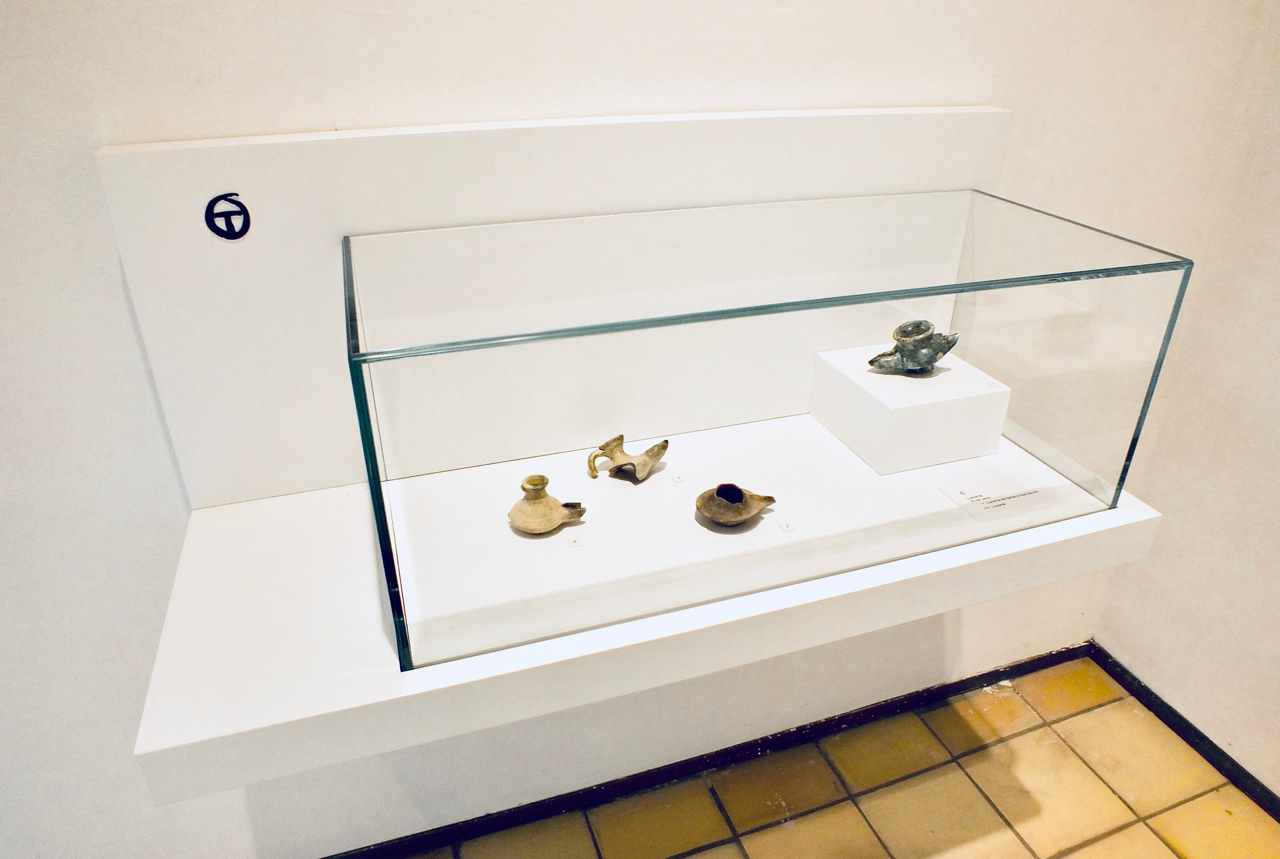
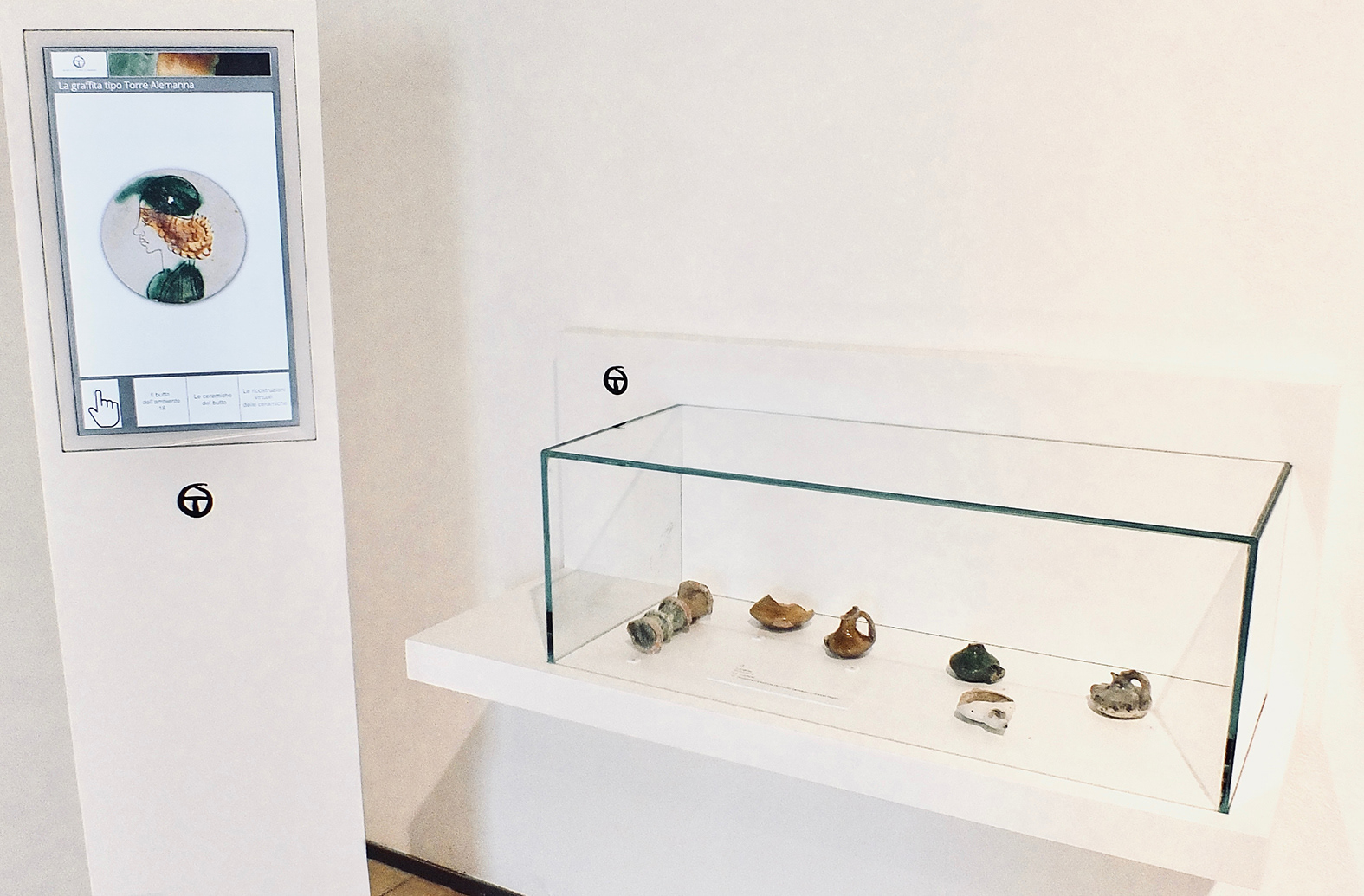
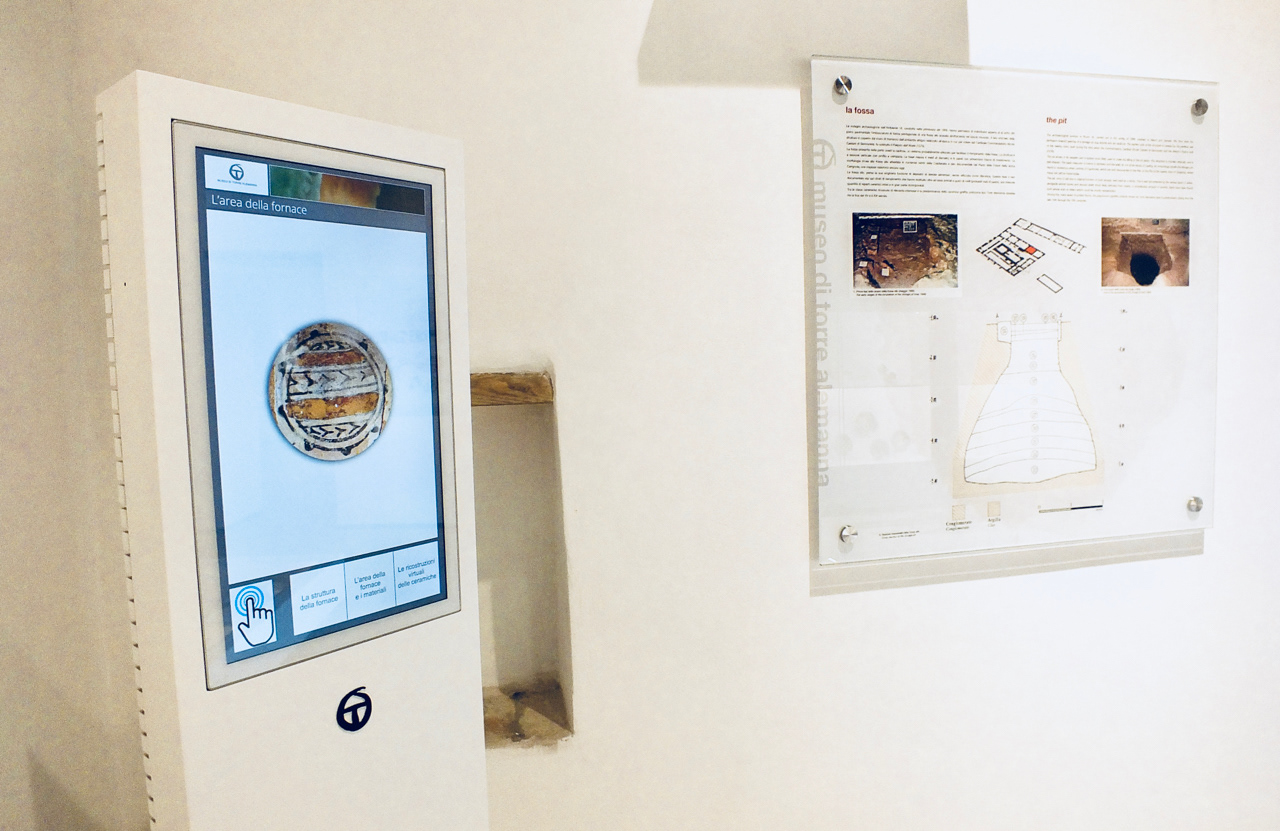
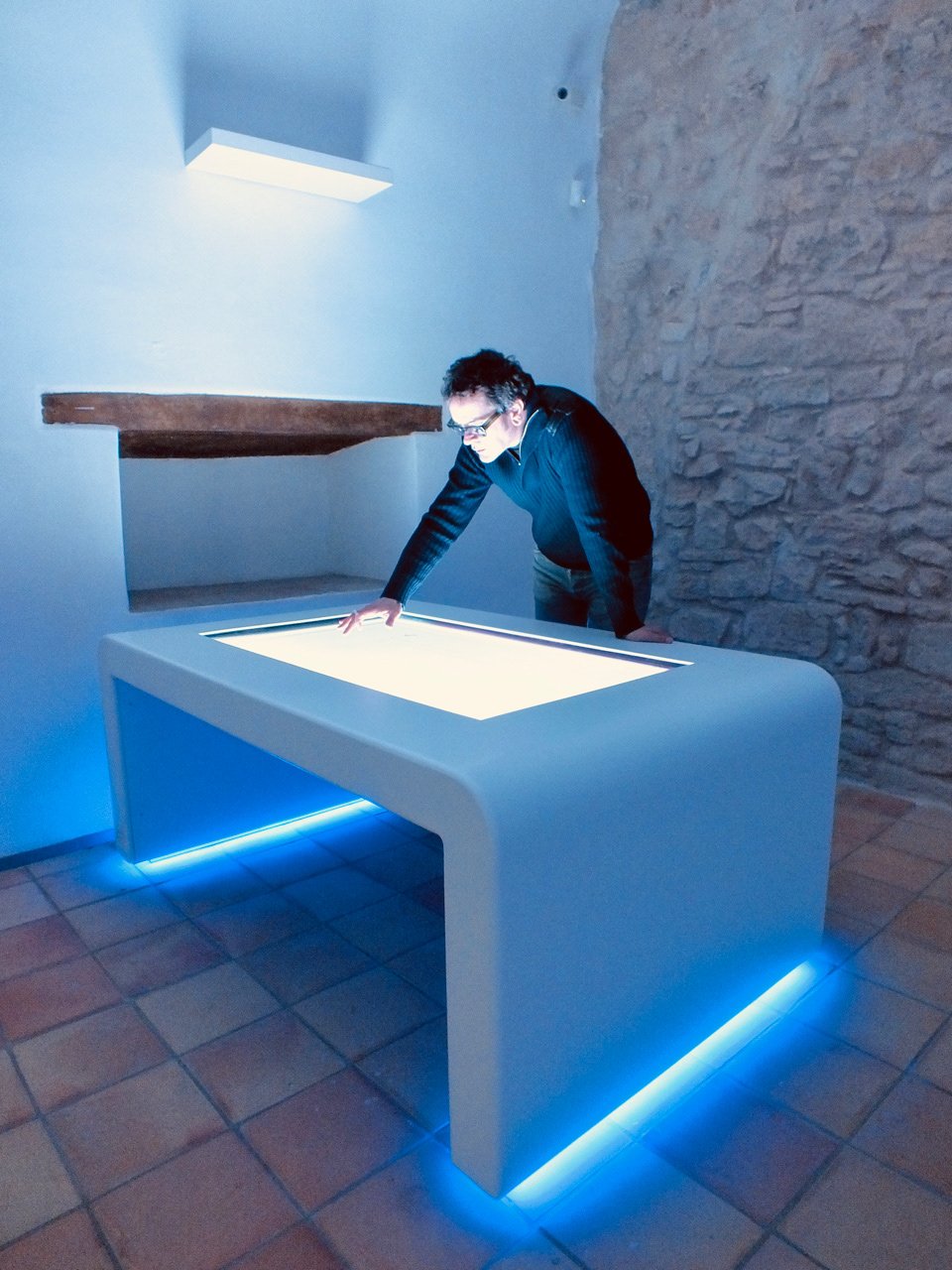
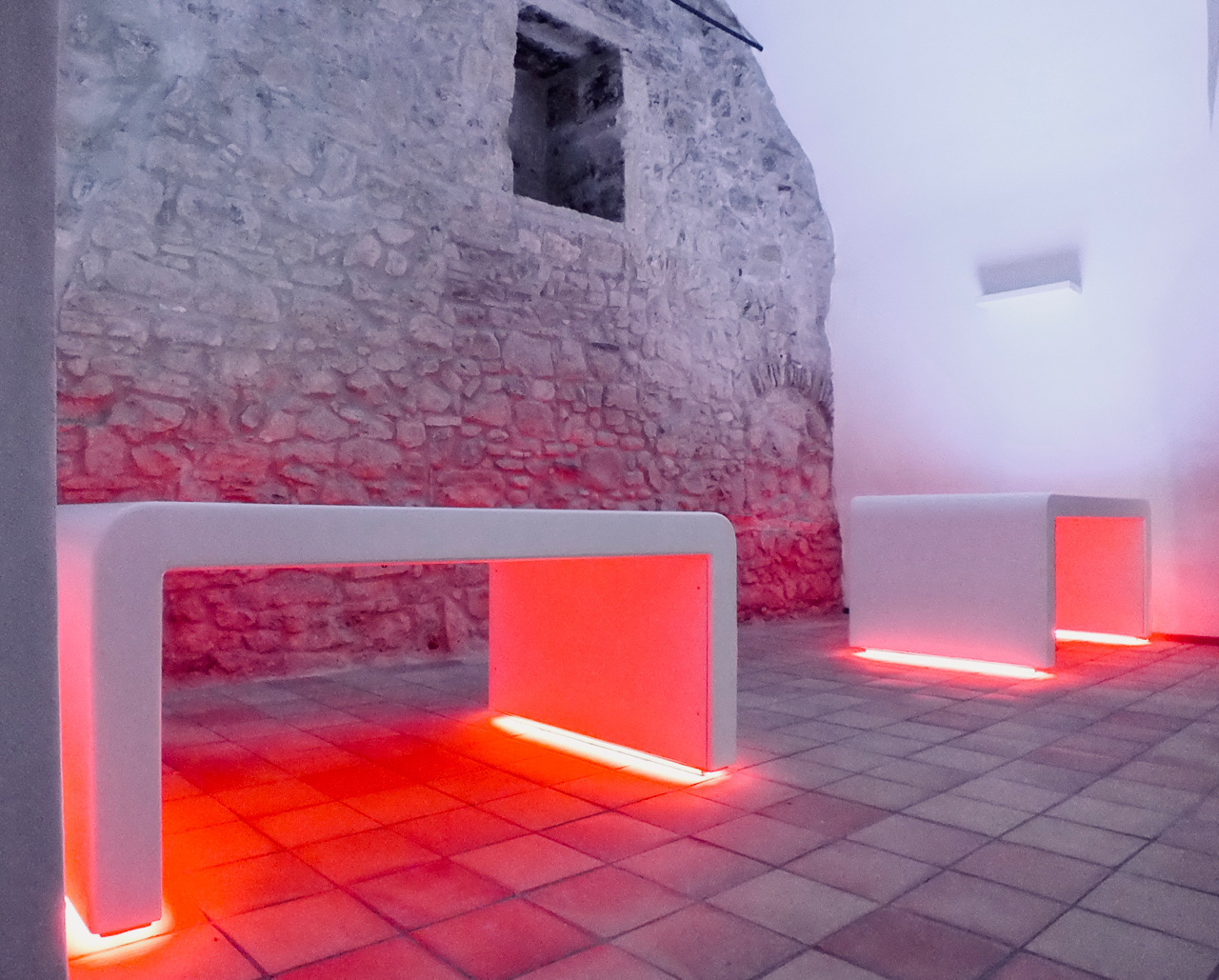
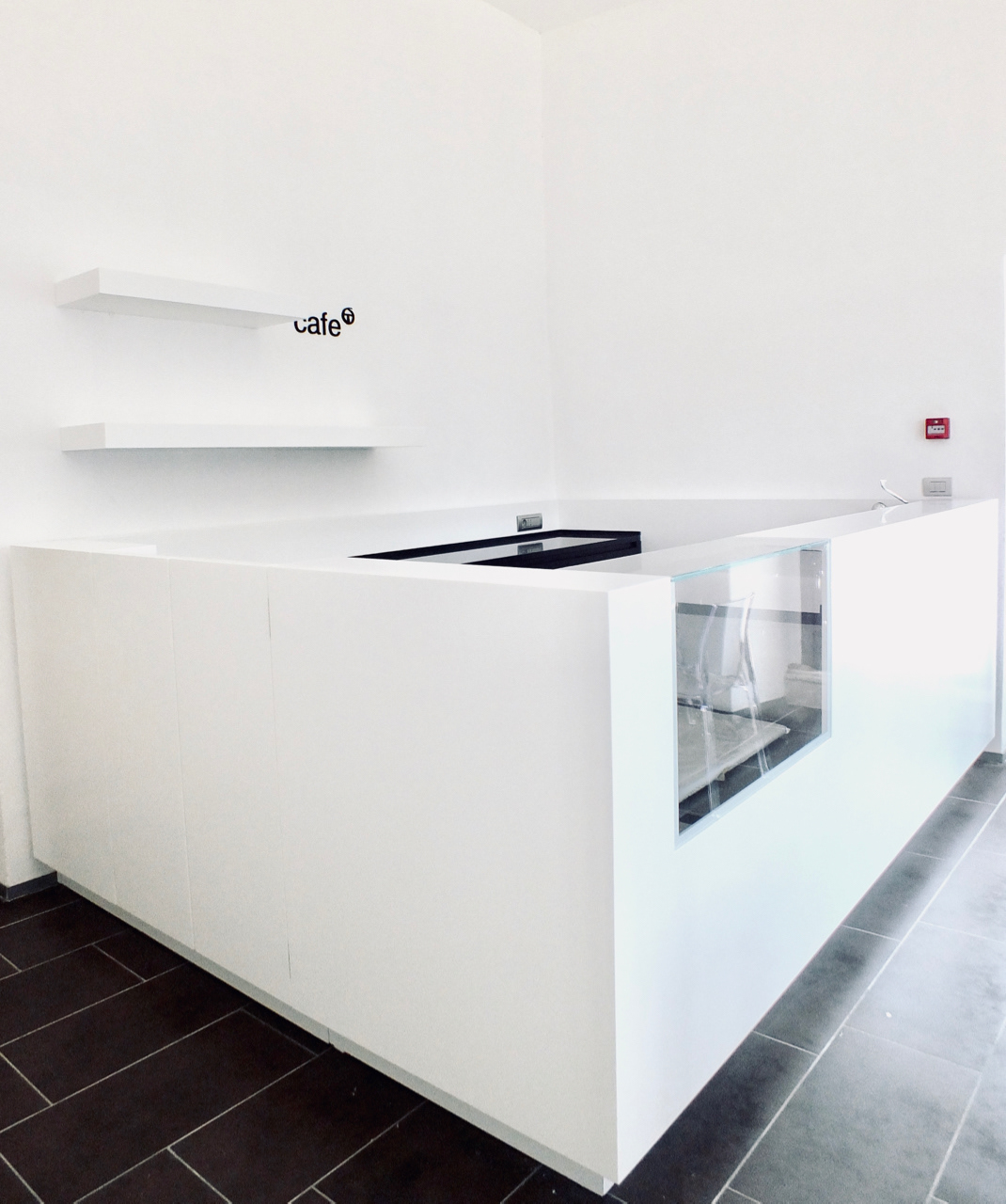
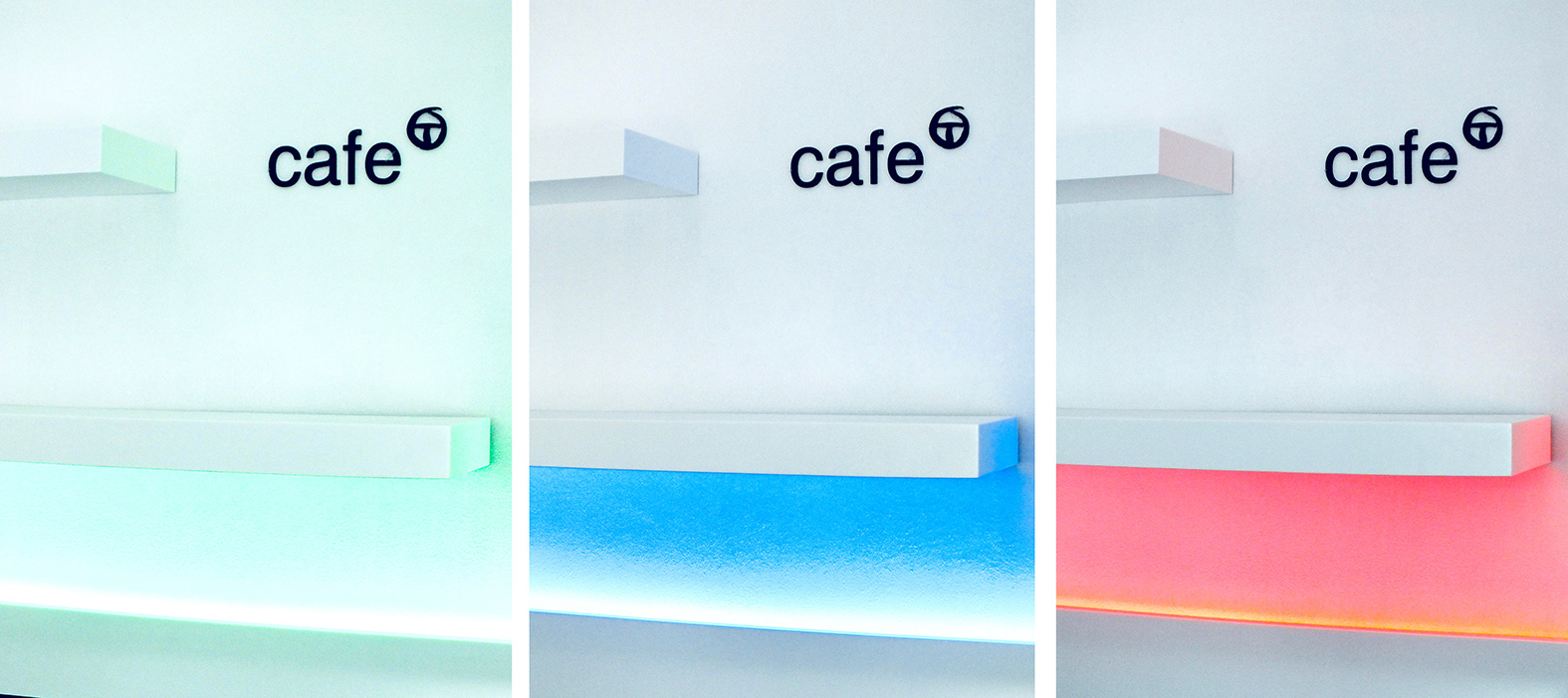
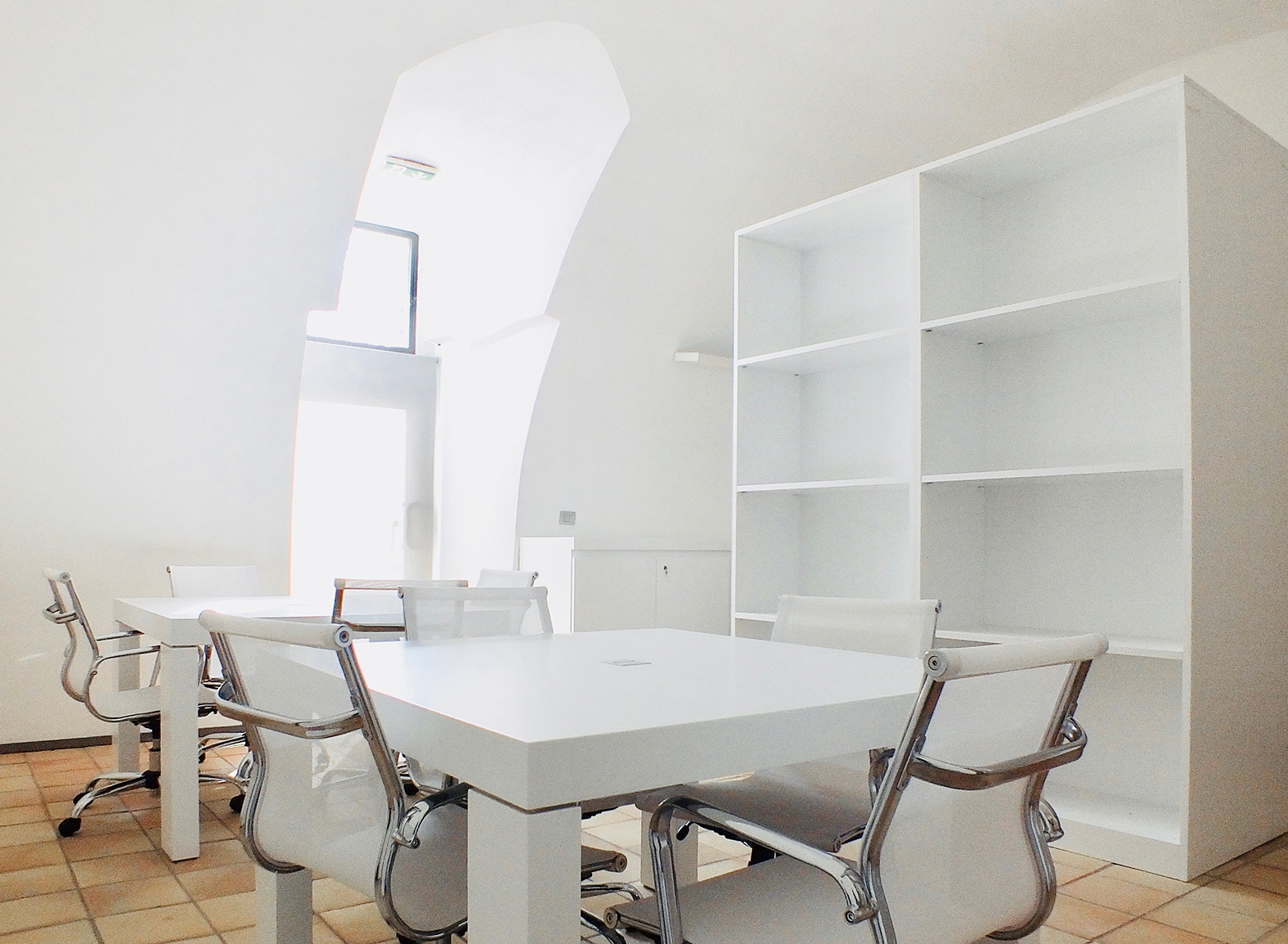
The museum’s display systems, as well as the entire facility—including the IT sections and laboratories—were developed according to specific criteria aimed at ensuring the protection, enhancement, and promotion of the Torre Alemanna site and its heritage. Particular care was taken in designing the exhibition structures to meet the quality standards (availability, flexibility, equipability, functionality, controllability, maintainability, accessibility, and recognizability) outlined by the Ministry for Cultural Heritage and Activities. This approach aimed to build, through design, a unique and distinct identity for the Torre Alemanna Museum, as if to perpetuate the originality of its ceramic production, which scientific circles consider to be indigenous to the area.
CLIENT/FINANCIAL INSTITUTION: Regione Puglia, Comune di Cerignola (FG) - ITALIA
DESIGN: arch. Vincenzo Russo
COMPANY: Bawer S.p.a., Altamura (BA), Consorzio IDRIA S.c.r.l., Bari (BA)
LOCATION: Cerignola (FG) - ITALY
YEAR: 2012-2016